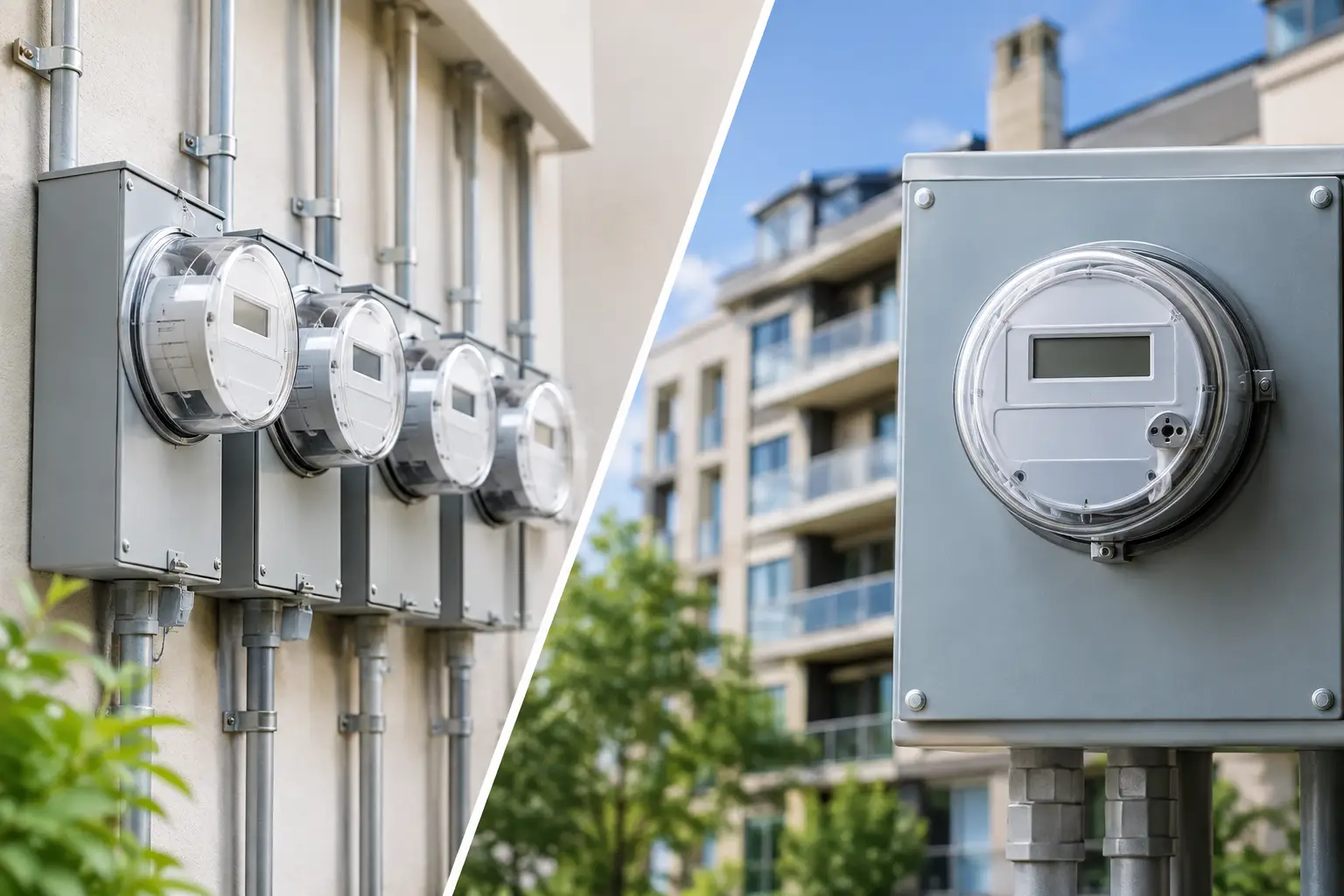

Utility expenses can quietly erode a property’s operating margin long before they appear as a major budget problem. Effective sustainability goals for property managers turn that risk into a measurable operating strategy: reduce waste, control costs, improve resident comfort, and document results that owners and program partners can trust.
For multifamily properties, sustainability is not a separate initiative that sits beside maintenance, leasing, and capital planning. It works best when it supports all three. A building that uses less energy can lower common-area costs, reduce resident complaints about hot or cold units, and protect the long-term value of the asset.
Start Sustainability Goals for Property Managers With Building Data
A goal is only useful when the starting point is clear. Before setting a percentage reduction target or selecting equipment upgrades, establish a baseline for energy and water use. Review at least 12 months of utility bills, then account for occupancy changes, seasonal weather, and unusual events such as major repairs or extended vacancies.
This baseline helps management distinguish a true efficiency problem from normal variation. For example, a higher summer electric bill may be expected during a heat wave. But if electricity use rises while occupancy is flat and weather is similar to the previous year, the property may have an equipment, controls, or building-envelope issue worth investigating.
Track performance at the property level and, where practical, by building or meter. The most useful measures often include total electricity and gas consumption, cost per occupied unit, common-area usage, peak-demand charges, water consumption, maintenance calls related to heating and cooling, and resident comfort feedback.
Energy use intensity can also provide a useful comparison point across properties of different sizes. The right metric depends on the portfolio, metering configuration, and available data. The goal is not to create a complicated reporting system. It is to give property teams reliable information for making better decisions.
Set Goals That Connect to Financial Performance
Broad commitments such as “become more sustainable” rarely produce consistent action. Property managers need goals with a defined scope, timeframe, owner-approved budget approach, and a clear measure of success.
A practical goal might be to reduce common-area electricity use by 15% over 18 months, lower water use per occupied unit by 10% within one year, or cut maintenance calls tied to HVAC comfort issues by a stated amount. These targets connect environmental progress to expenses, resident experience, and staff workload.
Avoid setting a single portfolio-wide number without considering building conditions. A recently renovated property may have less low-cost opportunity than an older community with original HVAC equipment, poor insulation, air leakage, or inefficient lighting. The stronger approach is to set an overall portfolio target while creating property-specific plans based on the actual condition of each site.
There is also a trade-off between ambition and execution. An aggressive target can create momentum, but it can fail if the project requires capital that has not been approved or resident disruption that has not been planned. Set goals that stretch performance without relying on assumptions the operations team cannot control.
Prioritize the biggest sources of waste
For many existing multifamily buildings, the most valuable opportunities are not the most visible ones. Aging HVAC systems, duct leakage, inadequate attic insulation, air leaks, unbalanced ventilation, and poor controls can drive substantial energy waste while making units less comfortable.
Lighting upgrades, smart thermostats, low-flow fixtures, and efficient appliances can also contribute. Their value depends on the property. LED lighting in common areas may offer a fast payback where lights operate for long hours. Water improvements may be the priority in markets with high water and sewer rates. HVAC and envelope work can have a larger impact where utility costs and comfort complaints are both high.
An assessment should identify which measures work together. Replacing equipment without addressing air leakage or insulation can leave savings on the table and may lead to oversized or poorly performing systems. Targeted retrofit planning considers the building as a system, not as a collection of isolated parts.
Build an Implementation Plan Residents Can Live With
Even a well-designed sustainability plan can underperform if installation disrupts residents, overwhelms onsite staff, or lacks accountability. Property managers should define the scope of work, access requirements, resident communication process, contractor responsibilities, quality checks, and schedule before work begins.
For occupied properties, timing matters. Coordinate unit work around resident availability, give clear notice, and explain the benefit in plain language. Residents are more likely to cooperate when they understand that improvements may reduce utility use, improve comfort, and address recurring heating or cooling concerns.
Property teams also need a plan for changes after installation. A new thermostat, ventilation control, or high-efficiency HVAC system can only deliver expected results when staff know how it should operate. Training maintenance personnel and documenting settings prevents well-intended adjustments from reducing efficiency later.
This is where specialized retrofit expertise matters. Performance Energy helps property owners and managers identify targeted upgrades, implement them correctly, and focus on performance outcomes rather than equipment alone. The objective is measurable energy reduction that supports both operating goals and sustainability commitments.
Measure Results, Then Keep Managing Them
A completed project is not the end of the work. Compare post-retrofit utility use with the original baseline, adjusting for weather and occupancy where appropriate. Review the results at regular intervals, especially through the first heating and cooling seasons.
Cost savings deserve attention, but they should not be the only measure. Look for changes in resident comfort complaints, equipment runtime, maintenance demand, common-area conditions, and vacancy-related utility use. These operational signals can reveal whether the upgrades are delivering the intended benefit or whether further adjustments are needed.
Verification is particularly valuable when a property is participating in a utility efficiency program or reporting progress to ownership, investors, or local stakeholders. A documented record of energy reductions gives managers stronger evidence than estimates alone. It also makes it easier to prioritize future capital work across a portfolio.
If results fall short, do not assume the investment failed. Performance can be affected by operational schedules, control settings, incomplete resident adoption, equipment issues, or changed building use. Investigate the cause, correct what is controllable, and update the plan. Sustainability management is an ongoing discipline, not a one-time project.
Align Sustainability With Ownership and Utility Priorities
Property managers often work between competing priorities: ownership wants controlled expenses and predictable returns, residents want comfort and minimal disruption, and utility partners may need verified demand reduction. A successful plan recognizes each of these needs.
Present projects in terms decision-makers can use. Explain the expected utility impact, capital requirement, maintenance implications, resident benefits, implementation schedule, and measurement method. When incentives or program funding are available, include eligibility and documentation requirements early. Waiting until installation is underway can create avoidable delays or missed savings opportunities.
For utility and energy program stakeholders, scalable execution is just as important as estimated savings. A program succeeds when upgrades are installed consistently, quality is verified, and results can be reported with confidence across many units or properties. Clear standards and dependable field execution protect the value of every incentive dollar.
Make the next goal more precise
The first year of tracking often reveals where a property has the greatest opportunity. One building may show unusually high common-area consumption. Another may have repeated comfort complaints that point to envelope or HVAC issues. Use those findings to make the next round of goals more specific, more realistic, and more valuable.
The best sustainability plan is one your team can operate, measure, and improve. Start with the building data you have, address the waste that affects costs and comfort most, and hold every upgrade accountable to a defined result. That approach gives property managers a practical path to lower energy use while strengthening the performance of the property they are responsible for.