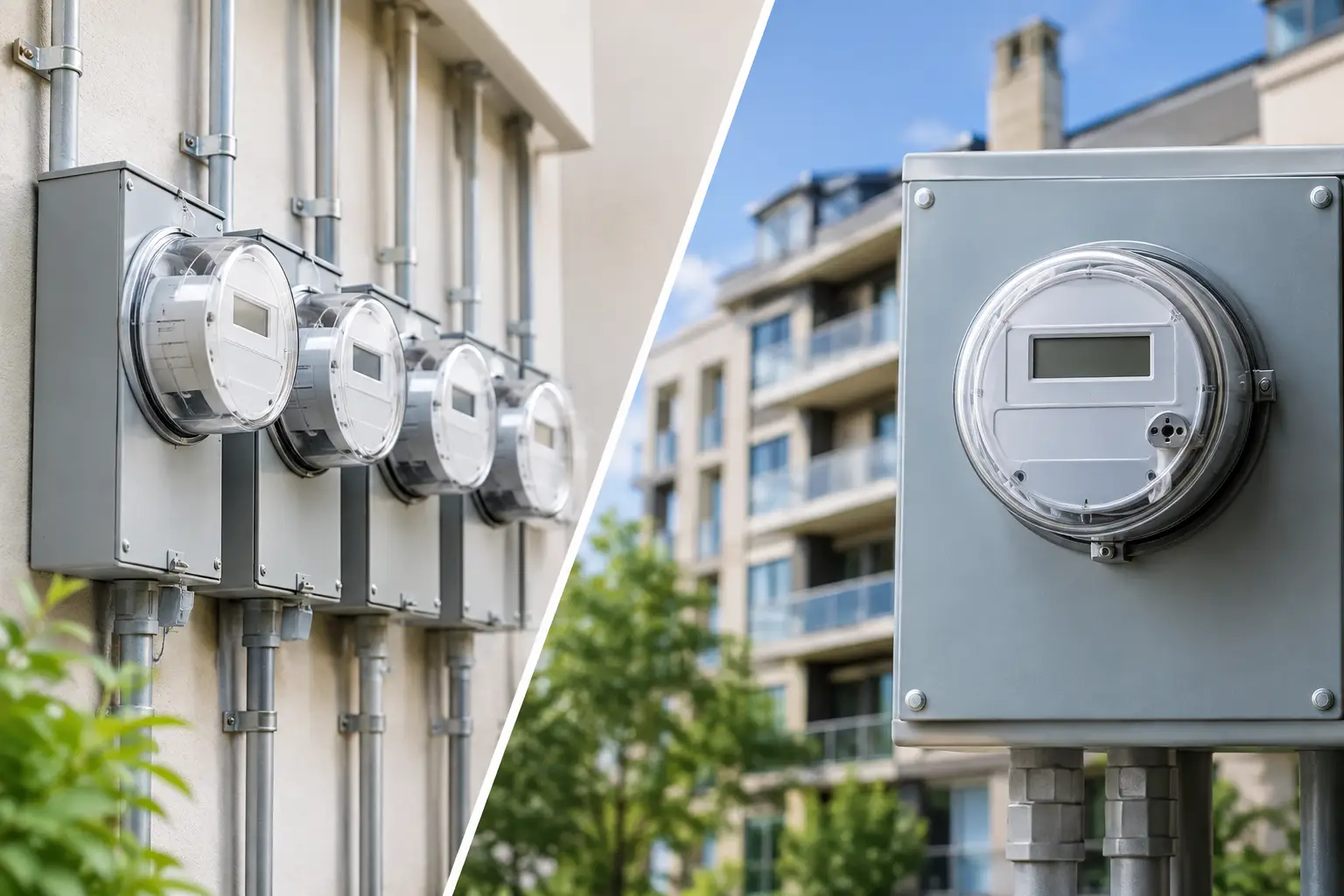
A $400 summer electric bill is rarely caused by one obvious problem. It is usually the result of several systems working harder than they should: conditioned air escaping through leaks, an aging HVAC system cycling too long, poorly performing insulation, inefficient lighting, or equipment running when no one needs it. So, do energy upgrades save money? Yes – when improvements address the actual sources of waste and their results are measured after installation.
The key word is when. Not every upgrade produces the same return, and the biggest advertised savings number is not always the best investment for a specific home or property. Effective retrofits start with how a building uses energy, where it loses energy, and which improvements will reduce costs without creating comfort, maintenance, or operational problems.
Do Energy Upgrades Save Money Over Time?
Energy upgrades can reduce monthly utility expenses immediately, but the full financial picture includes installation cost, expected equipment life, maintenance needs, utility rates, incentives, and the value of a more comfortable, reliable building. A measure with a modest first-year savings figure can still be a strong decision if it lowers repair calls, extends equipment life, or reduces vacancy concerns in a multifamily property.
For most owners, the question is less about whether efficiency saves money in theory and more about whether the proposed work has a credible payback. That requires a building-specific assessment, not a generic checklist. An all-electric home in a hot climate faces different cost drivers than a gas-heated apartment building with common-area loads. A property with high occupancy and aging systems needs a different plan than a newer building with poor air sealing.
Savings are also affected by utility pricing. Where demand charges, time-of-use rates, or summer peak pricing apply, reducing consumption during high-cost periods can matter as much as reducing annual kilowatt-hours. For utility and program partners, those reductions can support demand-side management goals while producing measurable customer benefits.
Start With the Waste, Not the Product
A retrofit should solve a defined performance problem. Replacing equipment before identifying that problem can leave savings on the table.
Air sealing and insulation are often high-value improvements because they reduce the heating and cooling load before mechanical equipment has to meet it. In a leaky building, even an efficient air conditioner may run excessively because cooled air is escaping and humid outdoor air is entering. Addressing the building enclosure can improve comfort, reduce HVAC runtime, and allow future equipment to be properly sized.
HVAC upgrades can deliver meaningful savings when existing equipment is inefficient, oversized, poorly controlled, or near failure. However, equipment efficiency ratings alone do not guarantee results. Proper sizing, duct performance, refrigerant charge, airflow, controls, and installation quality all influence real-world energy use. A high-efficiency system installed without attention to those details may not perform as expected.
Lighting upgrades are straightforward in many common areas, garages, exterior spaces, and commercial settings. LEDs typically use less energy and last longer than older lighting technologies, which can lower both electricity and maintenance costs. Controls such as occupancy sensors, daylighting controls, and scheduling can add savings where lights are routinely left on.
Water heating, ventilation, appliances, pool equipment, and building controls may also be major opportunities. The right measure depends on the property. The goal is not to install every available technology. It is to prioritize the upgrades that produce dependable savings for the way the building actually operates.
What Determines Payback?
Simple payback divides the installed cost of an upgrade by its annual utility savings. If a $6,000 project saves $1,000 per year, the simple payback is six years. It is useful as a quick comparison, but it does not tell the whole story.
A sound financial evaluation also considers maintenance savings, avoided replacement costs, financing, available incentives, and projected utility rate changes. For a multifamily owner, reduced turnover or fewer comfort complaints may have real value that does not appear on an electric bill. For a homeowner, a more even indoor temperature and quieter operation can make an upgrade worthwhile even when the shortest payback belongs to another measure.
Installation timing matters as well. Replacing a working system early may have a different financial case than choosing efficient equipment when a failed unit already needs replacement. In the second scenario, the decision is often about the incremental cost of better performance rather than the entire equipment price.
Owners should also be cautious with claims that promise a specific savings percentage without reviewing the building. Energy use varies with weather, occupancy, thermostat settings, operating hours, fuel costs, and equipment condition. Responsible projections state the assumptions behind the estimate and explain how savings will be validated.
Savings Look Different for Each Property Type
Single-Family Homes
Homeowners often notice the problem first through rising bills, rooms that are too hot or cold, humidity, drafts, or an HVAC system that never seems to shut off. A whole-home approach is especially valuable because the parts of the house affect one another. Air leaks, insulation gaps, ducts, and mechanical equipment should be evaluated as a system.
The best first step is usually an assessment that identifies the largest sources of waste. In many homes, low-cost air sealing or duct improvements may deserve attention before a major equipment replacement. When a replacement is needed, the improved enclosure can help ensure the new system is selected and installed for the home’s actual load.
Multifamily Properties
For apartment owners and managers, energy waste affects net operating income, resident satisfaction, maintenance workload, and capital planning. The challenge is that consumption may be split among individual units, common areas, central systems, laundry rooms, exterior lighting, and amenities. A useful retrofit strategy separates these loads and identifies who pays for each one.
Common-area lighting and controls can be quick opportunities, while HVAC, domestic hot water, ventilation, and envelope improvements can provide larger long-term reductions. Work must also fit resident schedules and minimize disruption. A technically sound project that cannot be installed efficiently across occupied units will struggle to deliver its full value.
Utility and Energy Program Partners
Utilities and implementation partners need more than estimated savings. They need scalable projects, consistent field execution, customer participation, and documentation that supports program reporting. Retrofit quality directly affects whether projected demand reduction becomes verified performance.
That is why contractor training, quality assurance, and clear installation standards are not administrative details. They are part of the energy-saving measure itself. Programs designed around the lowest upfront price can face callbacks, lower persistence of savings, and weak customer confidence. Programs designed around measurable outcomes create better value for participants and stakeholders.
Avoid the Most Common Retrofit Mistakes
The most expensive energy upgrade is one that does not address the actual cause of high consumption. Replacing a furnace while ignoring major duct leakage, installing insulation without resolving moisture issues, or adding controls that no one understands can reduce the expected return.
Another mistake is treating estimated savings as guaranteed savings. Estimates are necessary for planning, but performance should be checked after the work is complete. Comparing post-installation usage with appropriate weather and occupancy context helps determine whether the building is performing as intended. If results fall short, the project team should be able to investigate rather than simply point to a model.
Finally, do not overlook durability. Lower-cost materials or rushed installation can create failures that erase part of the savings through repairs, comfort complaints, or premature replacement. Quality work costs more than a quick fix, but it protects the financial case for the upgrade.
Build a Retrofit Plan Around Measurable Results
The strongest energy projects follow a practical sequence: assess current conditions, identify priority measures, estimate costs and savings, complete quality installation, and verify results. This approach gives owners a clearer basis for deciding where to invest first and how to phase larger projects over time.
Performance Energy applies this outcome-driven approach to retrofit work for homeowners, multifamily properties, and energy program partners. Specialized expertise and accountable implementation matter because savings are not created by a product label. They are created by the way a complete building system performs after the work is done.
The next time a utility bill spikes or a property budget comes under pressure, treat it as useful information. A focused assessment can turn that recurring cost into a plan for lower consumption, better comfort, and results that hold up over time.