
A rebate can turn a needed energy upgrade into a stronger financial decision, but only if the project meets every program rule before work begins. Rebate eligibility requirements often determine the equipment you can install, the contractor you can use, the documents you must keep, and the order in which each step must happen. Missing one condition can reduce or eliminate an otherwise valuable incentive.
For homeowners, property managers, and utility program partners, the practical goal is the same: confirm eligibility early, complete the right scope of work, and document measurable results. That approach protects project economics while helping deliver lower energy use, lower utility costs, and lasting building performance.
What Rebate Eligibility Requirements Usually Cover
Energy rebates are not one-size-fits-all discounts. Utilities, state and local agencies, and program administrators design them to produce verified energy savings. As a result, eligibility rules tend to focus on the building, the upgrade, the installation process, and the proof submitted after the work is complete.
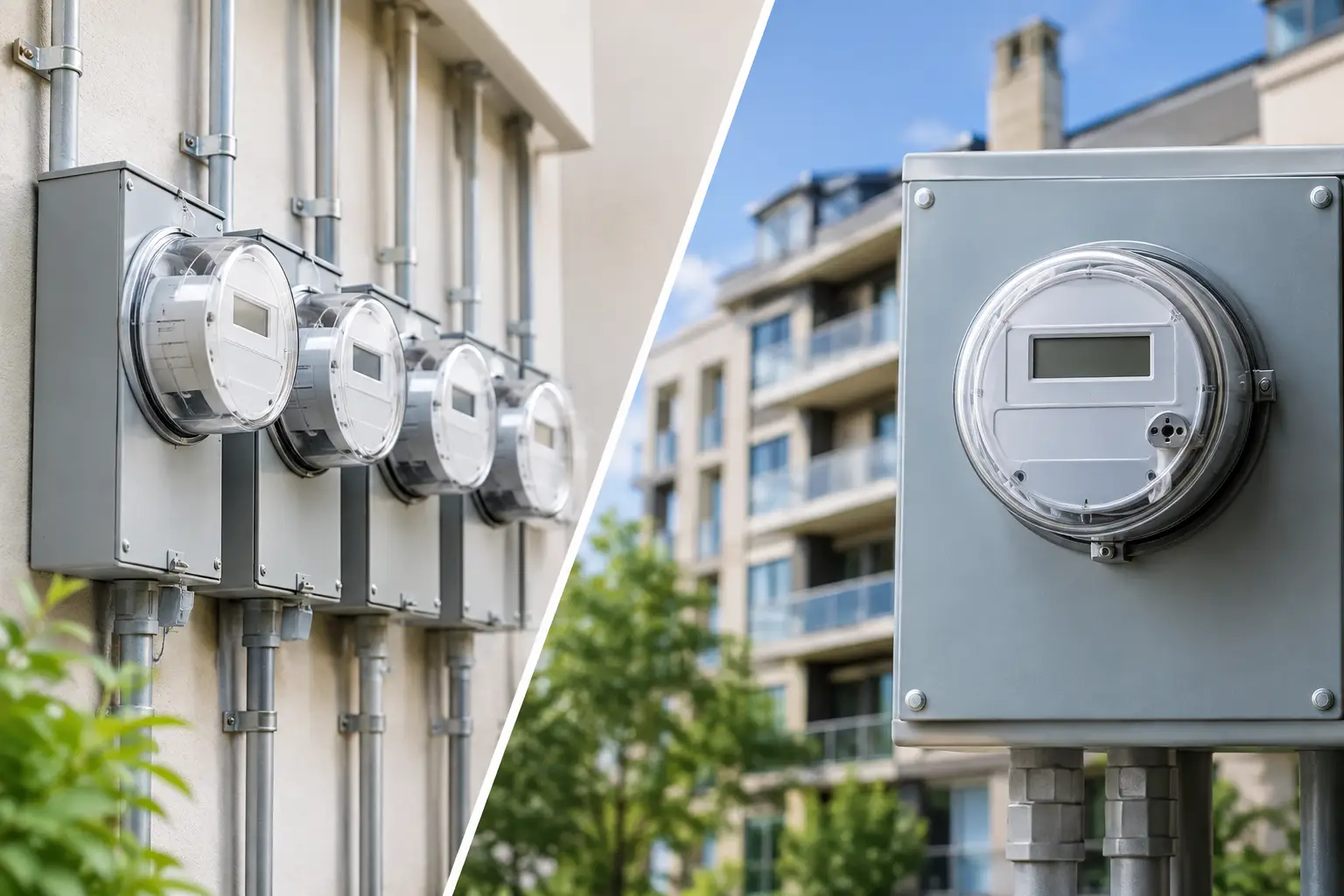
The first question is usually whether the property is in an eligible service area. A homeowner may need to receive electric or gas service from a participating utility. A multifamily property may need a qualifying account structure, such as individually metered units, a master-metered common area, or both. For utility partners, the program may also define the customer classes, geographic boundaries, and peak-demand goals that qualify projects for funding.
The second question is whether the existing building qualifies. Many programs are limited to existing homes or buildings, not new construction. Others set requirements around building type, age, occupancy, income qualification, or annual energy use. A duplex, a 200-unit apartment community, and a single-family home can all face different rules under the same utility territory.
The upgrade itself must also meet the program specification. This may include minimum efficiency ratings, approved product categories, installation standards, or a defined package of measures. An HVAC replacement, insulation improvement, duct sealing project, heat pump water heater, smart thermostat, or lighting upgrade may qualify, but only when it satisfies the exact program criteria in effect on the installation date.
Start With Eligibility Before Choosing Equipment
The most expensive mistake is buying equipment first and checking the rebate later. A higher-efficiency product is not automatically rebate-eligible. Programs may require a specific certification, capacity range, fuel type, model number, or performance tier. They can also exclude equipment that is oversized, used, leased, or installed as part of new construction.
This is especially relevant when comparing bids. One contractor may propose equipment that lowers upfront cost but misses the qualifying efficiency threshold. Another may specify an eligible system but fail to include testing, permits, or paperwork required by the program. The right proposal should account for total installed cost, expected operating savings, available incentives, and the evidence needed to receive them.
For building owners, eligibility should shape the project scope rather than become a last-minute administrative check. In a multifamily retrofit, for example, the best path may be a coordinated package that addresses central systems, in-unit loads, common-area lighting, ventilation, and building envelope deficiencies. Some programs reward individual measures; others provide stronger incentives when verified savings exceed a defined threshold.
Common Property and Customer Requirements
Although requirements vary, property owners should expect programs to verify several baseline conditions. These commonly include an active utility account, ownership authorization, and a building located within the program territory. Renters may be eligible for selected measures, but they often need owner approval for equipment or envelope work.
Multifamily projects require added coordination. The person signing the agreement must have authority to approve improvements, access units, provide utility account information, and authorize inspections. Properties with mixed residential and commercial space may need to separate eligible areas from nonresidential loads. Affordable housing properties may qualify for enhanced incentives, but they may also require income, affordability, or compliance documentation.
A program can also set limits on prior participation. If a home received an incentive for the same measure recently, it may not be eligible again. If a property has completed partial work, the remaining upgrade may require a new assessment to establish the baseline condition. These details matter because rebate amounts are often tied to what existed before the retrofit.
Installation Timing Can Make or Break a Rebate
Many rebate applications fail because the work started too soon. Some programs require preapproval before equipment is ordered, a contractor is scheduled, or demolition begins. Others allow installation first but require an application within a narrow deadline. A program may also reserve funding only after it receives a complete application, meaning a project can lose access if available funds are depleted.
Do not assume an earlier energy assessment or contractor quote counts as approval. Written authorization, a reservation number, or a signed participation agreement may be required. For larger multifamily projects, the administrator may need to review the proposed scope, projected savings, and measurement plan before releasing funds.
Post-installation requirements are equally important. Programs may require an inspection, photos, invoices, model and serial numbers, permit records, testing results, or signed customer acknowledgments. If the equipment is replaced or removed before verification, the rebate may be at risk.
Use a Qualified Contractor and a Complete Scope of Work
Some programs allow any properly licensed contractor. Others require work to be completed by an approved participating contractor, a credentialed installer, or a program-trained trade professional. This is not simply a paperwork preference. The program needs confidence that the installed measure will perform as claimed and produce savings that can be counted toward its energy goals.
A qualified contractor should confirm the existing condition, recommend measures that fit the building, install to applicable codes and manufacturer requirements, and manage the documentation trail. For envelope and HVAC work, diagnostic testing may be part of eligibility because it verifies that improvements address the actual source of energy waste rather than a symptom.
Performance Energy approaches retrofit planning with this outcome-focused standard: the upgrade must make technical sense for the property and support measurable cost and consumption reductions. A rebate is valuable, but it should never drive a project toward a measure that does not solve the building’s underlying performance issue.
Documentation Needed for a Successful Claim
Programs differ, but a complete rebate file typically includes several distinct records:
- Customer and property information, including utility account details and authorization to perform the work
- Itemized invoices showing labor, equipment, quantities, model numbers, and installation dates
- Product documentation that confirms required efficiency ratings or certifications
- Permits, inspection results, photos, testing reports, and preapproval records when the program requires them
Keep copies of every record, even after payment arrives. Utility programs can audit completed projects, and property owners may need the documentation for future capital planning, compliance reporting, or resale disclosures.
Invoices deserve particular attention. A vague description such as “HVAC work” may not establish that a qualifying measure was installed. Clear records should identify the installed equipment and distinguish eligible costs from noneligible work. For multifamily properties, unit counts, common-area locations, and allocation of costs may also need to be shown.
Calculate the Net Value, Not Just the Rebate Amount
A large incentive can look compelling, but the rebate amount alone does not define project value. Consider the net installed cost after incentives, expected utility savings, maintenance needs, equipment life, tenant comfort, operational disruption, and potential demand reduction. A lower rebate tied to a better-performing project can be the stronger investment over time.
This is where project timing and stacking rules matter. Some rebates can be combined with tax credits, local incentives, or utility financing programs. Others prohibit stacking or reduce the incentive when another source of funding covers part of the cost. Programs may cap rebates by percentage of project cost, per unit, per measure, or per property.
For a portfolio owner, the decision may depend on scale. Completing upgrades across several properties can create operational efficiencies and more consistent performance data, but it also requires careful scheduling, tenant communication, and documentation control. For a homeowner, a phased approach may be sensible when the program allows measures to be completed over time. The best choice depends on the building’s condition, budget, and the rules attached to each incentive.
A Better Way to Prepare for Your Energy Upgrade
Before committing funds, verify the current program rules, assess the building, and obtain a proposal that identifies qualifying measures and required next steps. Treat the rebate as part of the project plan, not as money to chase after installation. Program details can change by funding cycle, utility territory, and equipment availability, so current confirmation matters.
The right retrofit should stand on its own by reducing energy waste and improving comfort or operations. When rebate eligibility is handled correctly from the start, the incentive becomes what it should be: added support for a project that delivers dependable, measurable results.