
When a property’s utility costs climb faster than rent growth, margins get squeezed fast. That is why so many owners, managers, and tenants are asking how to cut apartment utilities without creating complaints, sacrificing comfort, or taking on upgrades that never pay back.
The good news is that apartment utility savings usually come from a handful of practical fixes, not one dramatic change. The better news is that the right strategy depends on who controls the space. A renter can reduce waste through daily use and small upgrades. A property manager can lower whole-building consumption through equipment, controls, and envelope improvements. The biggest savings usually come when both happen at the same time.
How to cut apartment utilities starts with control
The first question is simple: who pays the bill, and who controls the equipment? In a master-metered building, ownership has the strongest incentive to act because waste shows up directly in operating expenses. In a individually metered building, residents may be more motivated, but management still controls many of the biggest drivers, including insulation quality, common-area lighting, central systems, and water heating.
That is why utility reduction efforts often fail when they focus only on behavior. Telling residents to use less energy will not fix leaky ductwork, poorly sealed windows, outdated lighting, or aging HVAC equipment. On the other hand, replacing major systems without addressing resident habits can leave savings on the table. Real performance comes from matching the fix to the source of waste.
Where apartment utility costs usually come from
In most apartments, the biggest utility drivers are heating and cooling, water heating, lighting, appliances, and plug loads. In multi-family properties, there is another layer: hallways, laundry rooms, exterior lighting, leasing offices, ventilation equipment, and central mechanical systems can all add substantial cost.
Air leakage is one of the most overlooked issues. Even a decent HVAC system will run longer if conditioned air slips out around windows, doors, pipe penetrations, and attic or wall openings. The same is true for insulation gaps. A unit may technically have heating and cooling, but if the building envelope is weak, the system has to work harder to maintain temperature.
Water use matters too. Hot water carries a double cost because you pay for the water and the energy to heat it. Showerheads, faucet aerators, pipe insulation, boiler efficiency, and leaks all affect the final bill.
What renters can do right away
For tenants, the fastest wins usually come from reducing unnecessary runtime. If the thermostat is set aggressively low in summer or high in winter, monthly bills rise quickly. A modest thermostat adjustment often lowers costs without changing comfort much, especially when paired with ceiling fans or weather-appropriate clothing at home.
Lighting is another easy place to act. If a unit still uses older bulbs, switching to LEDs cuts electricity use and reduces replacement frequency. The savings on one lamp may look small, but across a full apartment over a year, the reduction is noticeable.
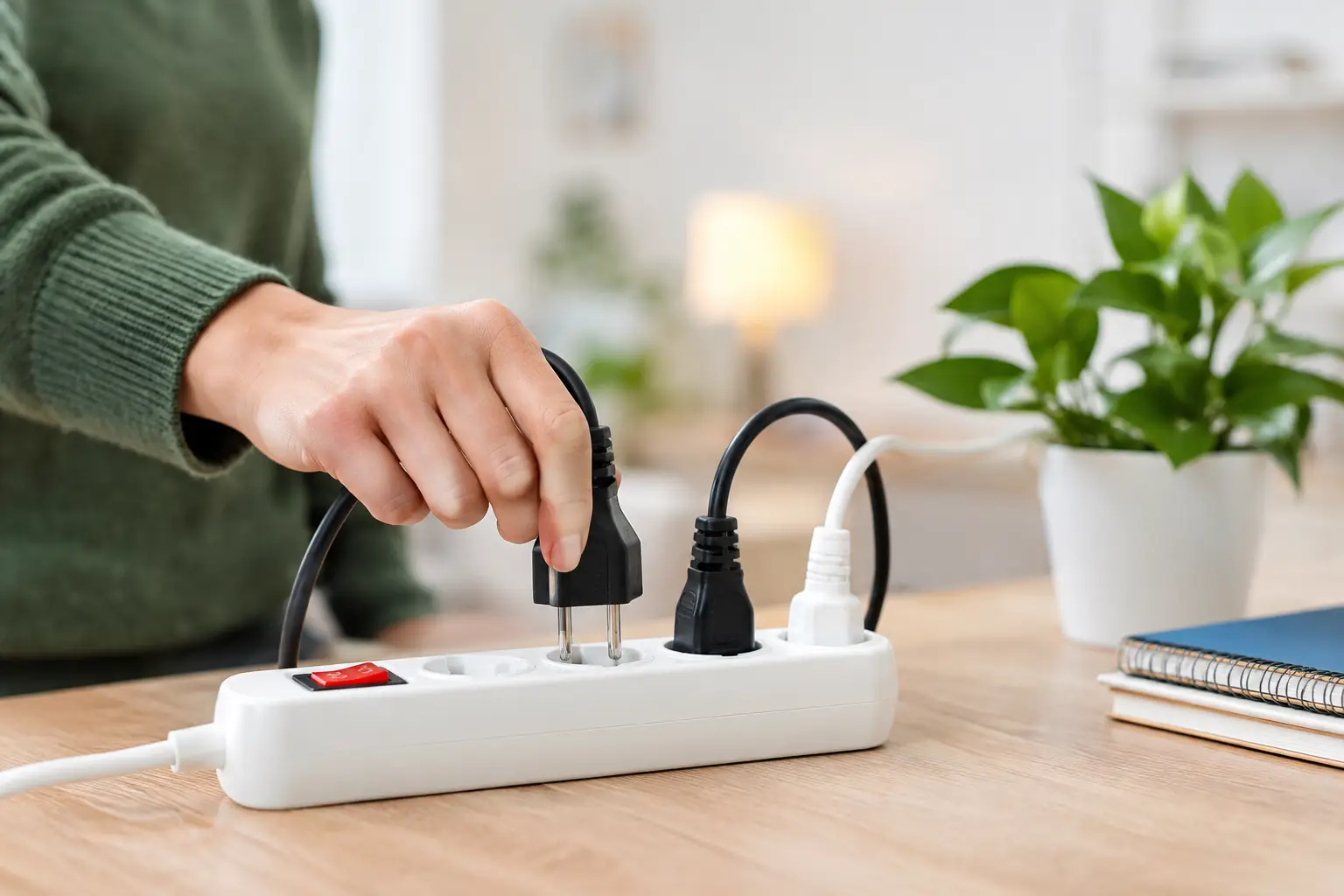
Residents should also pay attention to phantom loads. TVs, gaming consoles, desktop computers, printers, and kitchen appliances often draw power even when not in active use. Smart power strips or simply unplugging rarely used devices can trim waste. This will not transform the bill on its own, but it is a reliable way to remove constant background usage.
Laundry and hot water habits matter more than many people expect. Washing clothes in cold water, running full loads, shortening shower time, and reporting dripping faucets can all reduce both water and energy costs. If window drafts are obvious, temporary weatherstripping or draft blockers may help, though renters should always stay within lease rules.
How property managers can cut apartment utilities at the building level
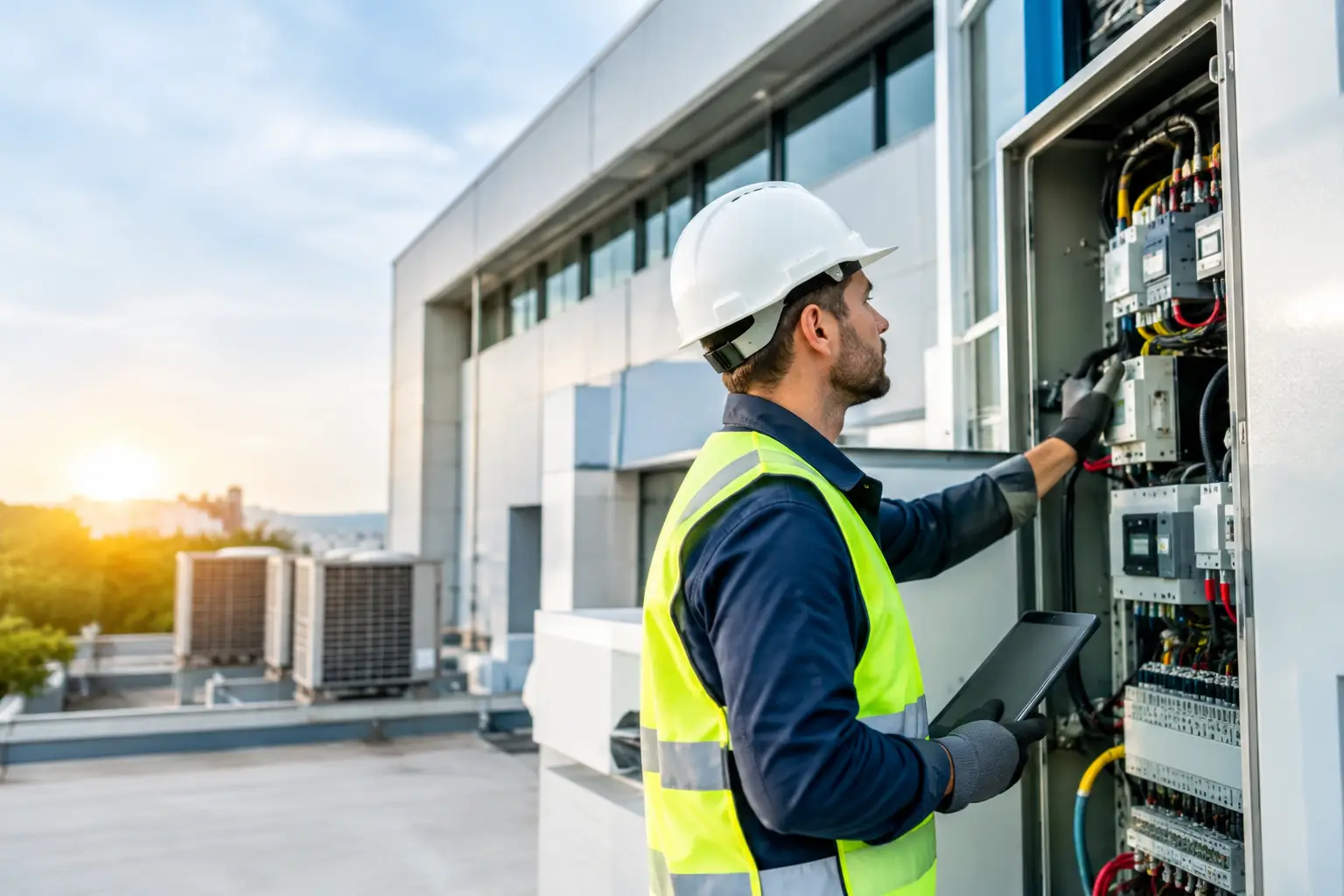
For owners and operators, the bigger savings usually come from system-level improvements. Lighting is often the easiest place to start. Converting common areas, exterior fixtures, stairwells, and utility rooms to LED lighting can reduce energy use and maintenance labor at the same time. Adding occupancy sensors, photocells, or scheduling controls prevents lights from staying on when they are not needed.
HVAC performance deserves close attention because it drives both resident comfort and operating expense. If units use packaged terminal systems, split systems, or rooftop equipment, maintenance quality has a direct effect on efficiency. Dirty filters, low refrigerant, failing motors, and poor airflow increase consumption. In older buildings, replacement may offer a strong return, but only if the new equipment is properly sized. Oversized equipment can short-cycle and underperform even if it has a high efficiency rating.
Air sealing and insulation upgrades are often more cost-effective than expected. Sealing bypasses, improving attic insulation, insulating exposed piping, and addressing envelope weak points can lower heating and cooling demand across many units at once. These improvements are not flashy, but they directly reduce runtime and improve consistency from unit to unit.
Water-saving measures are another dependable category. Low-flow showerheads, efficient aerators, leak detection, and upgraded water heating equipment can cut utility use without affecting resident experience when selected carefully. The trade-off is that cheap fixtures can lead to complaints, so product quality matters.
How to cut apartment utilities without upsetting residents
The strongest retrofit plans reduce costs while making the apartment feel better, not worse. Residents notice comfort, noise, humidity, and reliability long before they notice efficiency ratings. That means management should avoid any strategy that looks good on paper but creates hot and cold spots, poor ventilation, or weak water pressure.
Communication helps. If a building is scheduling lighting upgrades, HVAC tune-ups, or water fixture replacements, explain the resident benefit in plain terms: lower waste, more consistent temperatures, fewer outages, and better performance. People are more cooperative when they understand the reason behind the work.
Timing matters too. Occupied retrofits should be organized to minimize disruption. In many communities, phased improvements work better than large one-time projects because teams can solve issues quickly and keep resident frustration low.
Measurement matters more than assumptions
One of the most common mistakes in utility reduction is relying on guesswork. A building may seem inefficient because bills are high, but high bills alone do not reveal the cause. Weather, occupancy patterns, deferred maintenance, and rate structures can all distort the picture.
A better approach is to review actual consumption, equipment condition, and building performance before deciding where to invest. In some properties, the best first step is common-area lighting. In others, it is HVAC optimization, domestic hot water improvements, or envelope work. There is no single formula that fits every apartment asset.
This is where professional retrofit planning creates value. A qualified team can identify the measures most likely to produce measurable savings rather than pushing generic upgrades. For property owners, that matters because capital should go toward improvements with a clear operational payoff. For utility and program stakeholders, it matters because demand reduction needs to be documented, repeatable, and scalable.
The payback question
Everyone wants to know how quickly savings show up. The answer depends on the baseline condition of the property, local utility rates, climate, and the scope of work. Some changes, like LED conversions and basic controls, often show relatively fast returns. Larger envelope or mechanical upgrades can take longer, but they may also deliver better long-term stability, lower maintenance, and stronger resident retention.
That trade-off is worth weighing carefully. A shorter payback is attractive, but the cheapest measure is not always the best one if it ignores major sources of waste. In older multi-family buildings, a bundle of improvements often performs better than isolated fixes because the systems affect one another. A tighter building envelope, for example, changes how heating and cooling equipment operates.
For organizations that need dependable outcomes, guaranteed-performance retrofit work can reduce uncertainty. That is one reason owners and program partners turn to firms like Performance Energy when savings need to be more than a projection.
A smarter way to reduce apartment utility costs
If you are serious about how to cut apartment utilities, start by separating habit-based waste from building-based waste. Residents can lower avoidable usage through thermostat settings, lighting, and appliance habits. Owners and managers can go further by improving lighting systems, HVAC performance, water heating, controls, insulation, and air sealing.
The real opportunity is not just a lower bill next month. It is a property that costs less to operate, performs more consistently, and holds up better against rising utility rates. When utility reduction is treated as a performance issue instead of a guessing game, the savings are easier to capture and much easier to keep.
The best next step is usually the simplest one: find out what your building is actually wasting before you spend money trying to fix it.