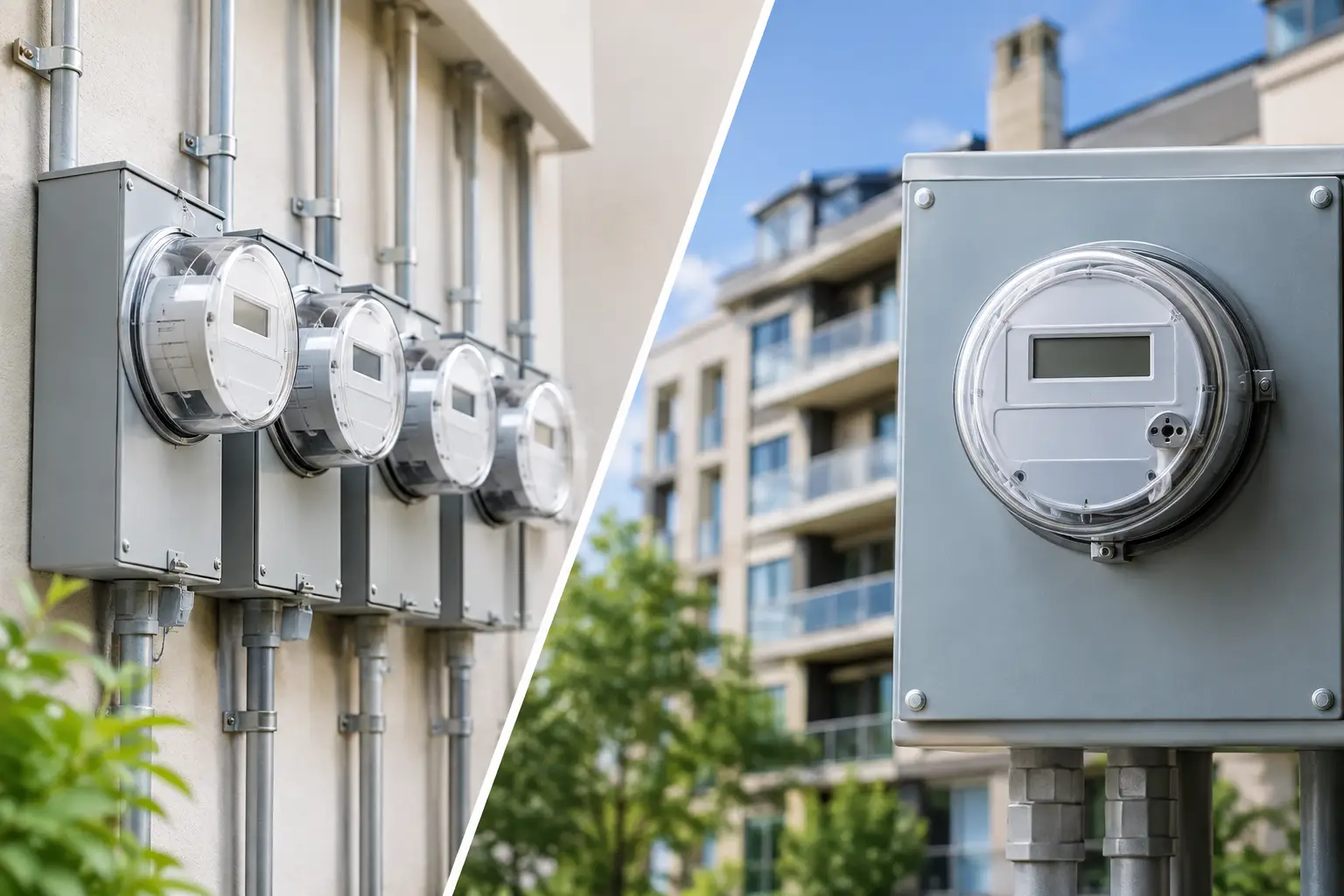

A failing HVAC unit, rising common-area electricity costs, and resident comfort complaints rarely arrive one at a time. For multifamily operators, retrofit incentives for property managers can turn those recurring operating problems into a funded plan for lower energy use, lower utility bills, and a better-performing asset.
The opportunity is substantial, but incentives are not simply a rebate check attached to a new piece of equipment. Most programs have eligibility rules, technical specifications, preapproval requirements, and documentation standards. The properties that capture the best value are usually the ones that identify savings opportunities early, select measures that fit the building, and manage installation around program requirements from the start.
Why retrofit incentives matter for multifamily properties
Energy upgrades compete with many legitimate capital priorities: roofing, plumbing, life-safety work, unit turns, and deferred maintenance. Incentives reduce the upfront cost of qualifying improvements, which can improve payback periods and make projects easier to approve.
For property managers, the value goes beyond the initial financial contribution. A well-designed retrofit can reduce common-area energy expenses, improve equipment reliability, support resident comfort, and create documented performance results for owners. Those benefits matter whether utilities are paid centrally, recovered through rent, or allocated to residents.
Utilities, state agencies, local governments, and other program administrators may offer incentives because efficient buildings reduce system demand and support sustainability goals. Available funding varies by location, utility territory, building type, fuel source, income qualifications, and program budgets. That means a project that qualifies this quarter may not have the same funding next quarter.
Start with the building economics, not the incentive
The wrong approach is to chase the largest advertised rebate. A high incentive for equipment that does not address the building’s actual energy waste can still leave the property with disappointing savings.
Start by reviewing utility usage, operating costs, maintenance history, equipment age, resident complaints, and planned capital work. This creates a practical picture of where energy is being lost and which improvements can be coordinated with work already on the schedule. For example, replacing aging corridor lighting during a planned electrical upgrade may be more efficient than treating lighting as a separate project later.
A qualified assessment should identify both immediate opportunities and measures that require more planning. Common opportunities include inefficient lighting, failing HVAC equipment, inadequate insulation, air leakage, domestic hot water losses, ventilation problems, and inefficient controls. The best scope depends on the property. A garden-style community with individual heat pumps has different priorities than a mid-rise building with central boilers and common mechanical systems.
Savings estimates should be grounded in the building’s real conditions. Square footage alone is not enough. Occupancy patterns, climate, equipment run time, utility rates, maintenance practices, and the condition of the building envelope all affect projected results.
Plan for incentive stacking carefully
Some projects can combine utility rebates with tax incentives, local funding, or financing programs. This can materially reduce net project cost, but stacking is not automatic. Programs may limit the total amount of incentive funding or require the applicant to disclose all other sources.
Treat each funding source as part of the project financial model. Confirm who applies, when approval is required, what costs are eligible, and whether the program pays the owner, contractor, or another party. A clear incentive matrix prevents a common problem: completing work before the required preapproval or inspection has occurred.
Which upgrades often qualify for incentives
Programs differ, but incentive offerings frequently focus on measures that deliver measurable demand reduction or energy savings. In multifamily properties, the most common categories include:
- High-efficiency HVAC equipment, heat pumps, and HVAC controls
- LED lighting and lighting controls for corridors, parking areas, exteriors, and amenity spaces
- Building envelope improvements, including insulation, air sealing, and high-performance windows where eligible
- Water-heating improvements, pipe insulation, efficient pumps, and recirculation controls
- Smart thermostats, ventilation upgrades, and whole-building efficiency measures
Not every efficient product qualifies. Programs commonly specify minimum efficiency ratings, approved product lists, installation standards, or participating-contractor requirements. In some cases, the incentive is based on modeled savings rather than a fixed amount per unit of equipment.
This is why project sequencing matters. An HVAC replacement may qualify for a better incentive when paired with controls, duct sealing, or envelope improvements because the equipment can be properly sized and operate more efficiently. On the other hand, bundling too many measures can create operational disruption or exceed the available capital budget. The right scope balances savings, resident impact, available funding, and the property’s long-term plan.
Build program requirements into the implementation plan
Incentive administration should not be an afterthought assigned to someone after equipment is ordered. Before work begins, confirm baseline conditions, eligibility, application deadlines, technical specifications, and inspection requirements.
Documentation is often the difference between an approved project and a missed incentive. Keep utility account information, ownership authorization, equipment cut sheets, invoices, model numbers, installation records, photographs, and any required test results organized in one project file. If a program requires pre- and post-installation verification, schedule those milestones before construction dates are finalized.
Communication with residents also affects results. Equipment access, thermostat changes, temporary outages, and unit work need clear notice. When residents understand that the project is designed to improve comfort and reduce waste, access coordination is usually easier and the property team can avoid unnecessary delays.
For larger projects, establish a single point of accountability for scope, incentive paperwork, contractor coordination, quality control, and final savings verification. Property managers should not have to choose between managing daily operations and tracking program compliance across multiple vendors.
Avoid the mistakes that erode project value
The first mistake is assuming all incentives are guaranteed. Many programs are first-come, first-served or subject to annual funding limits. Reserve funding and obtain written approval whenever the program requires it.
The second is focusing only on first cost. The lowest bid may omit controls, commissioning, testing, or corrective work needed to achieve the expected performance. A cheaper installation that underperforms can cost more over the life of the asset.
The third is failing to verify results. After installation, compare utility data, maintenance calls, and comfort feedback against the baseline. Weather, occupancy, and rate changes can influence bills, so performance should be reviewed with context rather than judged by one monthly statement.
Finally, avoid treating every building the same. A measure that performs well in one property may not be the best investment in another. Site conditions and operational needs should drive the recommendation.
Choose an implementation partner accountable for outcomes
A retrofit partner should understand both the building systems and the incentive process. Look for an experienced team that can assess opportunities, develop a practical scope, coordinate with program stakeholders, install qualifying measures, and document results.
Performance Energy helps multifamily owners and managers turn efficiency goals into implemented projects with measurable savings. The focus should remain on the outcome: reduced energy consumption, lower operating costs, and building improvements that perform as promised.
The most effective time to evaluate incentives is before the next equipment failure forces a rushed replacement. A clear assessment and a well-timed plan give property managers more control over capital decisions, program funding, and the performance of the building they are responsible for.