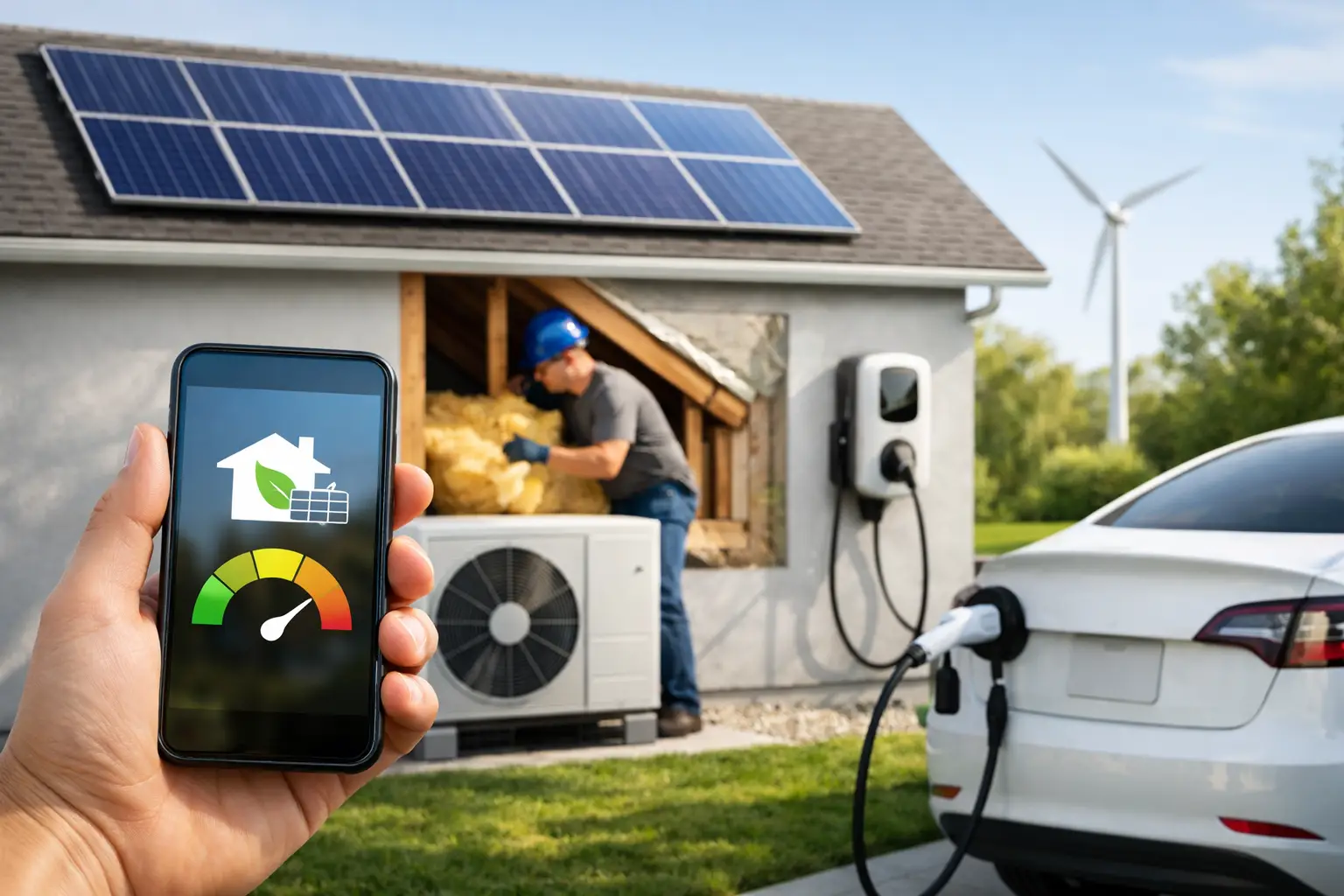
A high bill is rarely caused by one inefficient appliance. In most homes, it is the result of conditioned air escaping, inefficient equipment running longer than necessary, and controls that do not match how people actually live. The best home energy retrofits address those connected problems in the right order, producing lower utility costs, better comfort, and measurable building performance.
For homeowners, that means avoiding upgrades that look impressive but do little for the monthly bill. For multifamily owners and managers, it means identifying repeatable measures that reduce operating expenses across many units without creating maintenance headaches. The right retrofit plan begins with building conditions, not a one-size-fits-all product list.
Start With an Energy Assessment, Not Equipment
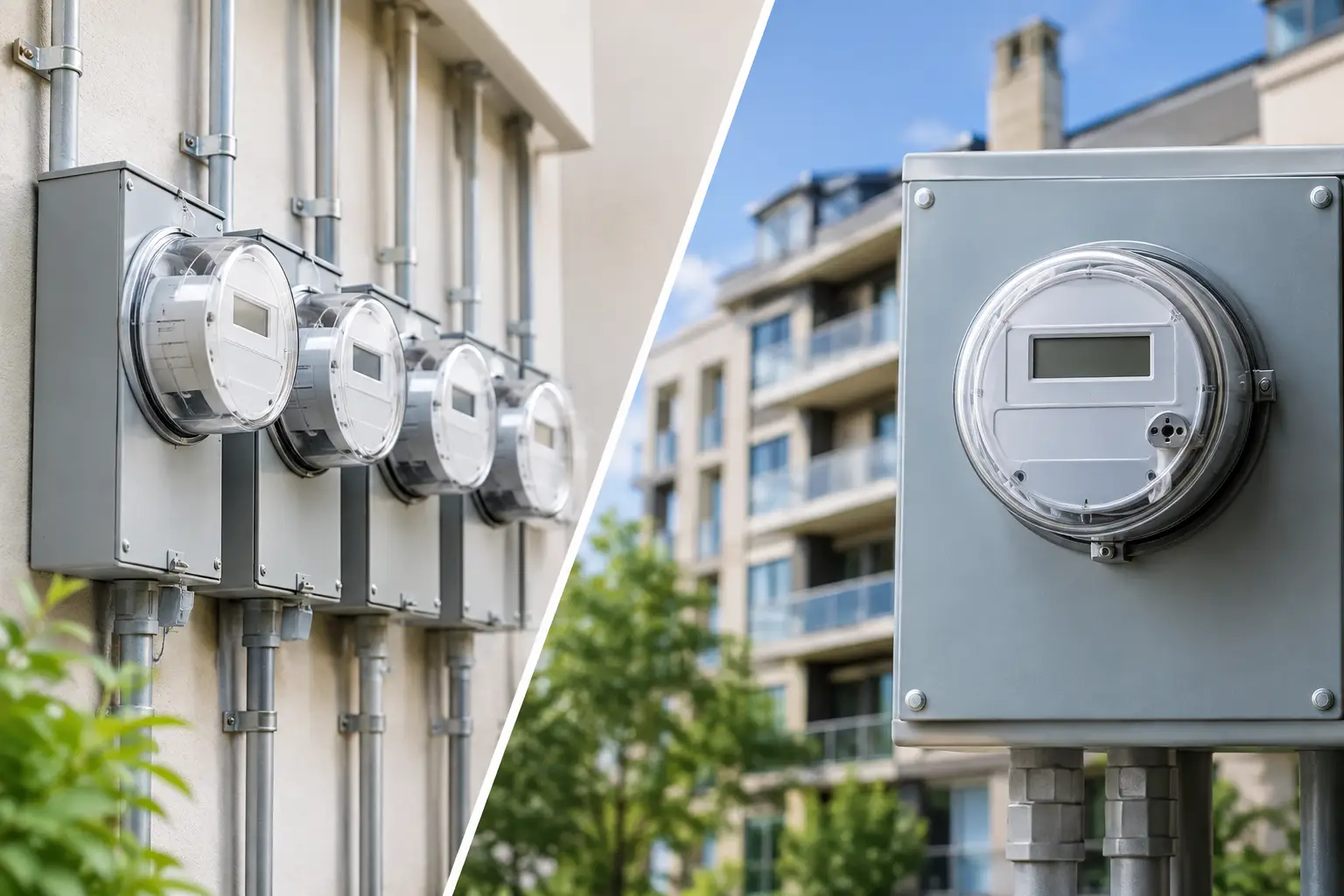
An energy retrofit should be based on how the building performs today. A qualified assessment examines utility use, insulation levels, duct condition, air leakage, HVAC operation, water heating, lighting, and occupant patterns. In multifamily properties, it should also distinguish between common-area loads, owner-paid utilities, and tenant-paid utilities.
This step matters because upgrades interact. Installing a larger air conditioner in a leaky, poorly insulated home can raise project costs without solving comfort issues. Replacing lighting before understanding operating schedules can leave savings on the table. The goal is to find the measures that reduce wasted energy first, then size and select equipment for the improved building.
A useful assessment produces more than a list of recommendations. It should clarify expected savings, installation priorities, costs, maintenance considerations, and the metrics that will be used to verify results. That is especially valuable for property managers and utility program partners who need reliable, portfolio-level outcomes.
Best Home Energy Retrofits for Lower Bills
Air sealing and insulation
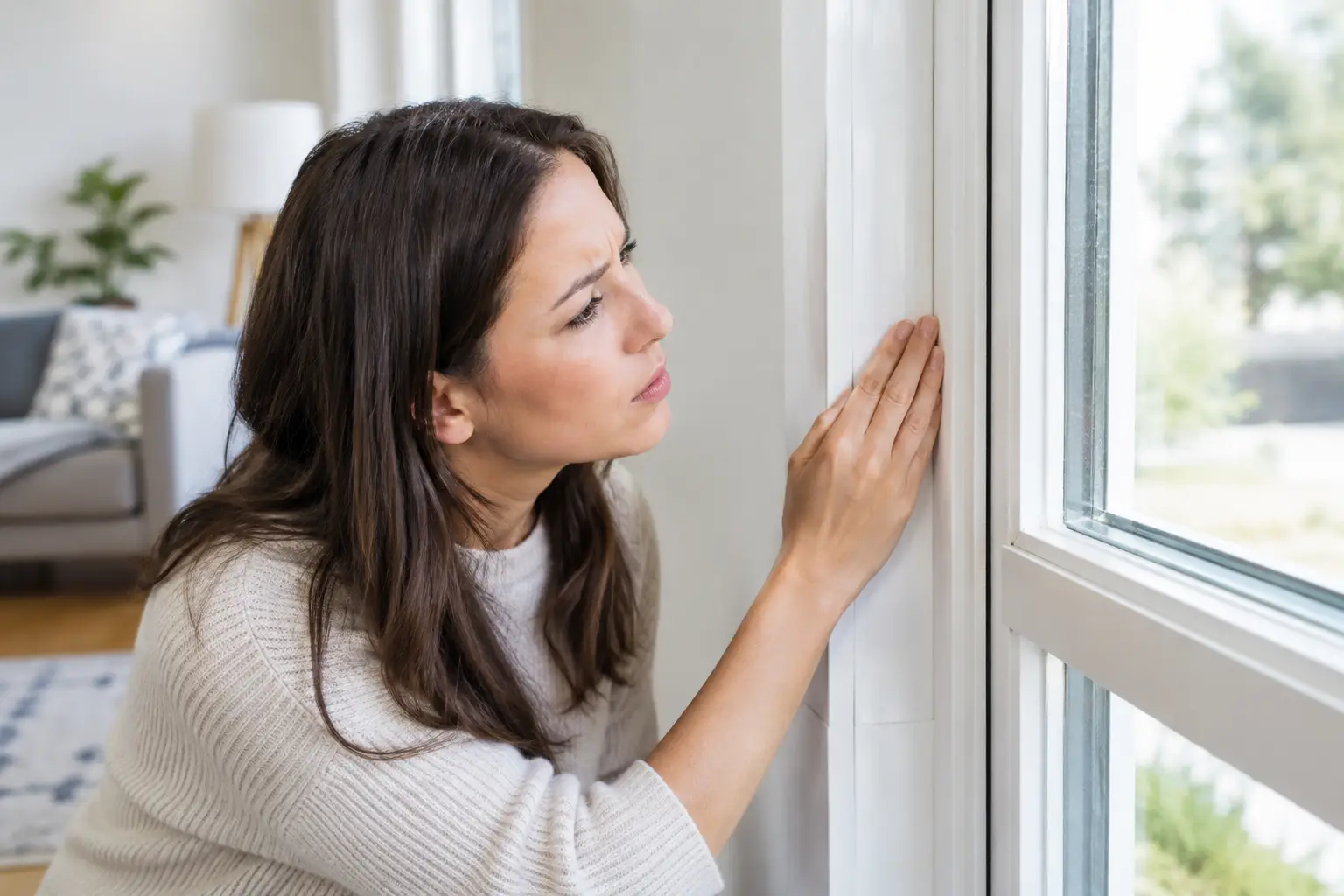
Air sealing and insulation are often the highest-value place to begin. Gaps around attic penetrations, recessed lights, ducts, windows, doors, and plumbing openings allow heated or cooled air to escape. Insufficient attic insulation makes the problem worse by increasing heat transfer through the roofline.
Proper air sealing reduces uncontrolled airflow, while insulation slows the movement of heat. Together, they help a home or apartment hold its indoor temperature longer. HVAC systems cycle less often, rooms become more consistent, and drafts can be reduced.
The details matter. Adding insulation without first sealing major attic bypasses can limit its effectiveness. Likewise, sealing a building requires attention to combustion safety, ventilation, and moisture management. A trained retrofit team evaluates the whole system rather than treating insulation as a standalone material purchase.
High-efficiency HVAC and heat pumps
Heating and cooling equipment is a major energy user in many U.S. homes and apartment buildings. Replacing aging equipment with a properly sized high-efficiency system can significantly reduce electricity or fuel consumption, particularly when paired with air sealing, insulation, and duct improvements.
Heat pumps are increasingly a strong option because they provide both heating and cooling. In suitable climates and building conditions, they can reduce energy use while improving temperature control. However, a heat pump is not automatically the best answer for every property. Electrical capacity, existing distribution systems, local weather, backup heat requirements, and equipment sizing all affect the final recommendation.
For multifamily buildings, the decision may involve central equipment, individual unit systems, packaged terminal units, or phased replacement strategies. The most effective path depends on the building layout, capital plan, maintenance capacity, and whether owners or residents pay the utility bills.
Duct sealing and distribution improvements
A high-efficiency HVAC unit cannot perform as intended if conditioned air is lost in damaged or poorly connected ductwork. Leaky ducts can pull hot attic air, dusty crawlspace air, or humid outdoor air into the system while sending paid-for heating and cooling into unconditioned areas.
Duct sealing, proper insulation, and airflow balancing can improve comfort in rooms that are too warm, too cold, or difficult to condition. In homes with older systems, correcting distribution problems may deliver meaningful benefits before a full equipment replacement is needed.
Ductless heat pumps can also be appropriate where ducts are impractical, undersized, or absent. They are especially useful for additions, converted spaces, and certain multifamily applications. The trade-off is that indoor unit placement and occupant use affect performance, so system design and education remain important.
Heat pump water heaters and water-saving measures
Water heating is frequently one of the largest energy loads after space conditioning. A heat pump water heater can use substantially less electricity than a standard electric resistance model by moving heat rather than generating it directly. It can be an excellent retrofit in garages, utility rooms, basements, and other spaces with adequate air volume.
There are practical considerations. These units can cool and dehumidify the surrounding area, create some operating noise, and need space for installation and service. In a compact interior closet or a cold location, another approach may be more appropriate.
Low-flow showerheads, efficient faucets, pipe insulation, and prompt repair of hot-water leaks can also lower water-heating demand. In multifamily properties, these lower-cost measures may be highly scalable, particularly when paired with careful fixture selection and quality installation.
Smart thermostats and HVAC controls
Controls help ensure that efficient equipment operates efficiently in real life. A smart thermostat can reduce unnecessary runtime by adjusting temperatures around daily schedules, setbacks, and occupancy patterns. For homeowners, the benefit is convenience alongside lower energy use. For property managers, centralized or connected controls can improve visibility across vacant units and common spaces.
A thermostat alone will not fix a poorly insulated building or failing HVAC system. Its value is strongest when it supports an already sound retrofit strategy. Settings should also be easy for occupants to understand. Overly complicated controls can lead to overrides that erase expected savings.
Efficient lighting and common-area upgrades
LED lighting is a straightforward retrofit with reliable benefits, particularly where lights operate for long hours. Kitchens, garages, hallways, stairwells, parking areas, laundry rooms, and exterior fixtures can all be strong candidates. LEDs generally use less energy and require fewer replacements than older lamp types.
For multifamily properties, occupancy sensors, photocells, timers, and lighting controls can increase savings in common areas without compromising safety. The key is commissioning. Sensors need appropriate time delays and coverage so residents are not left in dark corridors or stairwells.
Windows: Valuable, but Often Not First
Replacement windows are frequently marketed as an energy solution, but they are not always the first retrofit with the fastest payback. If existing windows are severely damaged, difficult to operate, or creating significant drafts, replacement may be justified for comfort, durability, and energy performance. In other cases, targeted air sealing, weatherstripping, storm windows, shading, or window film may address the immediate problem at a lower cost.
This is where a building-specific recommendation matters. Windows can improve appearance, sound control, and comfort, but their energy savings should be evaluated honestly against their installed cost. A better investment may be attic air sealing, insulation, duct work, or HVAC improvements.
Prioritize Retrofits by Building Type and Budget
The right sequence depends on the property. A single-family homeowner with high summer bills may need attic sealing, insulation, duct repairs, and cooling-system evaluation. A homeowner with an aging electric water heater may gain more from water-heating improvements than window replacement.
For multifamily operators, the highest-priority measures often depend on utility responsibility. If the owner pays common-area electric bills, lighting controls and central-system efficiency can deliver direct operating savings. If utilities are tenant-paid, envelope upgrades and in-unit efficiency measures can still improve resident comfort, retention, and overall asset performance.
Utility and energy implementation partners need another layer of discipline: measures must be installable at scale, documented consistently, and verified against program requirements. Standardized field processes, specialized training, and post-installation quality checks are essential when savings must stand up to scrutiny.
Make Performance Measurable
Energy retrofits should be judged by outcomes, not promises alone. Establish a baseline before work begins using utility data, equipment condition, operating schedules, and where appropriate, on-site measurements. After installation, confirm that equipment was commissioned correctly, controls are functioning, and the building is operating as intended.
Some savings will vary with weather, occupancy, and energy prices. That does not make measurement less useful. It means results should be interpreted with the full operating context in view. Clear documentation helps homeowners understand their improvements, gives property managers confidence in capital decisions, and supports utility partners pursuing demand reduction and sustainability targets.
Performance Energy approaches retrofit work as a building-performance investment: identify the real sources of waste, implement the right measures, and hold the work to measurable standards. The strongest next step is not choosing the flashiest upgrade. It is scheduling a professional assessment that turns a high bill into a practical, prioritized plan.