
A property can have high-efficiency equipment and still waste energy if the building itself has not been evaluated as a system. That is why existing building electrification is more than replacing gas-fired equipment with electric alternatives. Done well, it reduces utility costs, improves comfort and indoor air quality, and creates measurable progress toward emissions and demand-reduction goals.
For homeowners, multifamily operators, and utility program partners, the central question is not whether electrification is coming. It is how to make each upgrade deliver financial and operational value now.
What Existing Building Electrification Really Means
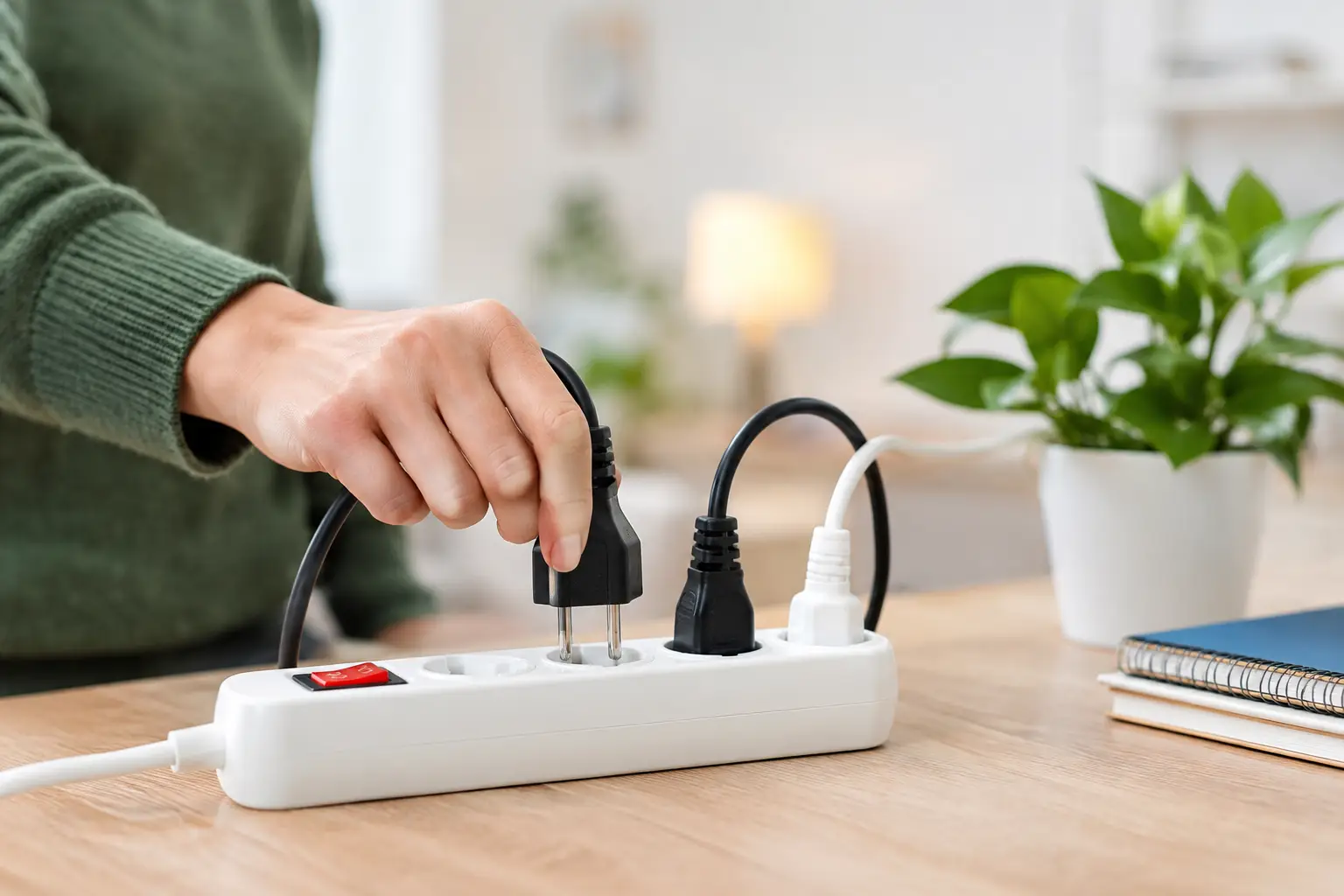
Existing building electrification means shifting building systems that rely on fossil fuels, commonly natural gas or propane, to efficient electric equipment. The work may include heat pump HVAC systems, heat pump water heaters, electric cooking, induction ranges, upgraded electrical panels, and controls that reduce unnecessary energy use.
The equipment change is only one part of the project. In an older home or apartment building, electrification can expose existing weaknesses: air leaks, undersized wiring, poor insulation, aging ductwork, or equipment that was never properly sized. If those conditions are ignored, operating costs and occupant comfort may not improve as expected.
A successful project begins with the building’s actual energy use, peak demand, equipment condition, and occupancy needs. That approach avoids a common mistake: installing new technology before identifying what is driving waste in the first place.
Why the Business Case Depends on the Building
Electrification often delivers clear long-term benefits, but the payback varies by fuel costs, climate, equipment age, utility rates, incentives, and how the building is used. A heat pump replacing an aging electric resistance system or failing air conditioner can be a strong efficiency upgrade. Replacing relatively new gas equipment may require a different financial analysis.
For many properties, the best time to electrify is when existing equipment is approaching failure. Planning ahead prevents emergency replacements that lock an owner into another decade or more of inefficient equipment. It also gives the project team time to address panel capacity, ventilation, insulation, and utility program requirements without disrupting residents or operations.
Multifamily owners should also evaluate the full operating picture. Central systems, in-unit equipment, domestic hot water, common-area loads, and tenant-paid utilities can create different incentives for the owner and residents. The right scope may be a phased plan rather than a single building-wide replacement.
Lower Operating Costs Through Efficiency
Modern heat pumps move heat rather than creating it through combustion or electric resistance. This allows them to provide heating and cooling with substantially less energy in many applications. Heat pump water heaters use the same principle, reducing water-heating energy use while also helping dehumidify the space around them.
Savings are strongest when high-efficiency equipment is matched to the building. Air sealing and insulation reduce the heating and cooling load. Duct repairs help conditioned air reach the spaces where it is needed. Smart controls prevent systems from operating against each other or running when spaces are unoccupied.
These supporting measures are not add-ons for their own sake. They protect the performance of the new equipment and help turn projected savings into real utility-bill reductions.
Better Comfort and Health Outcomes
Electric systems can improve the experience of living and working in a building. Properly designed heat pumps provide more consistent temperatures, and variable-speed systems can avoid the hot-and-cold swings associated with oversized or aging equipment.
Moving combustion appliances out of occupied spaces can also reduce on-site combustion pollutants. That does not eliminate the need for ventilation planning. Kitchens, laundry areas, mechanical rooms, and tightly sealed units still need appropriate ventilation and moisture management. Good electrification work accounts for these details before installation, not after complaints begin.
Start With a Building Assessment, Not an Equipment Catalog
Every electrification project should begin with a practical assessment. The goal is to identify the upgrades that produce the greatest benefit and to build a sequence that makes financial sense.
A thorough assessment reviews historical utility use, existing heating and cooling equipment, water heating, insulation levels, air leakage, duct condition, electrical service capacity, and major load patterns. In multifamily properties, it should also consider common areas, central plants, unit turnover schedules, resident access, and metering arrangements.
For utility and energy implementation partners, this level of assessment creates a foundation for consistent savings estimates and quality assurance. Programs need more than participation counts. They need verified installations, reliable customer experiences, and demand reduction that holds up under measurement.
Prioritize the Right Measures First
There is no universal order for every property, but several principles hold true. Address urgent health, safety, and equipment-failure issues first. Then reduce avoidable loads through envelope improvements and controls before sizing major HVAC equipment. Finally, confirm that electrical infrastructure can support added loads and future upgrades.
An older single-family home may need attic insulation, air sealing, and a panel upgrade before installing a whole-home heat pump. A garden-style apartment community may benefit first from replacing failing through-wall units, improving domestic hot water efficiency, and setting a repeatable turnover process for vacant units.
The point is to avoid overbuilding the solution. A larger heat pump is not automatically a better heat pump. Proper sizing based on real loads supports lower costs, quieter operation, and more dependable comfort.
Electrical Capacity Is a Planning Issue, Not Always a Barrier
Concerns about electrical panels and service capacity often stop electrification discussions too early. Some buildings do need panel upgrades, new circuits, or service changes. Others can add efficient equipment through load calculations, circuit management, staged replacements, or targeted upgrades.
A qualified assessment determines what is necessary. For example, replacing an old electric water heater with a heat pump water heater may reduce overall electrical demand. Conversely, adding several high-load appliances at once in a multifamily building may require careful capacity planning to avoid expensive surprises.
Owners should treat electrical work as part of the project scope, not an afterthought. When it is evaluated early, it can be coordinated with equipment replacement, tenant communication, permitting, and incentive documentation.
The Multifamily Challenge: Scale Without Disruption
Multifamily electrification succeeds when technical planning and resident experience are managed together. Property managers need projects that protect occupancy, control maintenance demands, and keep schedules realistic. Residents need clear notice, respectful crews, and equipment that is easy to use.
A phased approach is often the practical choice. Projects can begin with vacant units, common-area systems, or buildings with the most urgent equipment needs. Results from the first phase can refine specifications, installation procedures, and communication for later phases.
Standardization matters at scale. Using consistent equipment, installation details, commissioning steps, and documentation makes maintenance easier and helps protect savings across a portfolio. It also gives ownership teams cleaner data for capital planning and sustainability reporting.
Quality Installation Determines Whether Savings Materialize
High-efficiency equipment cannot compensate for poor installation. Refrigerant charge, airflow, duct sealing, controls setup, drainage, electrical connections, and system commissioning all affect performance. A heat pump that is technically installed but not tested under operating conditions may never deliver its rated efficiency or comfort.
This is why experienced retrofit execution matters. The contractor should verify that the system operates as designed, document the work, and address issues before the project is considered complete. For program partners, these practices support consistent results across many homes or properties. For owners, they reduce callbacks and protect the return on investment.
Performance Energy approaches retrofit work with the understanding that results must be measured in lower consumption, lower costs, and improved building performance – not simply completed installations.
A Practical Path Forward
Existing building electrification is most effective when it is planned around the property, its equipment lifecycle, and the people who use it. Begin with an assessment, identify the biggest sources of waste, and build a phased scope that aligns with budget and operational needs. Include electrical capacity, envelope improvements, installation quality, and verification in the same conversation.
The best next step is not to replace every gas appliance immediately. It is to make the next building investment a smarter one – an upgrade that lowers energy use, improves comfort, and gives the property a stronger long-term operating position.