A new HVAC unit can look like the obvious answer to high utility bills. But in many homes and apartment buildings, the equipment is working harder because the building itself is leaking conditioned air. The decision between weatherization versus equipment replacement should start with the source of wasted energy, not the age of a single appliance.
For homeowners, that means looking beyond a noisy air conditioner or a cold bedroom. For multifamily operators, it means protecting operating budgets across dozens or hundreds of units. For utility program partners, it means directing incentives toward measures that produce reliable, measurable demand reduction. The right sequence can lower costs, improve comfort, and help every upgraded system perform as intended.
Why the order of upgrades matters
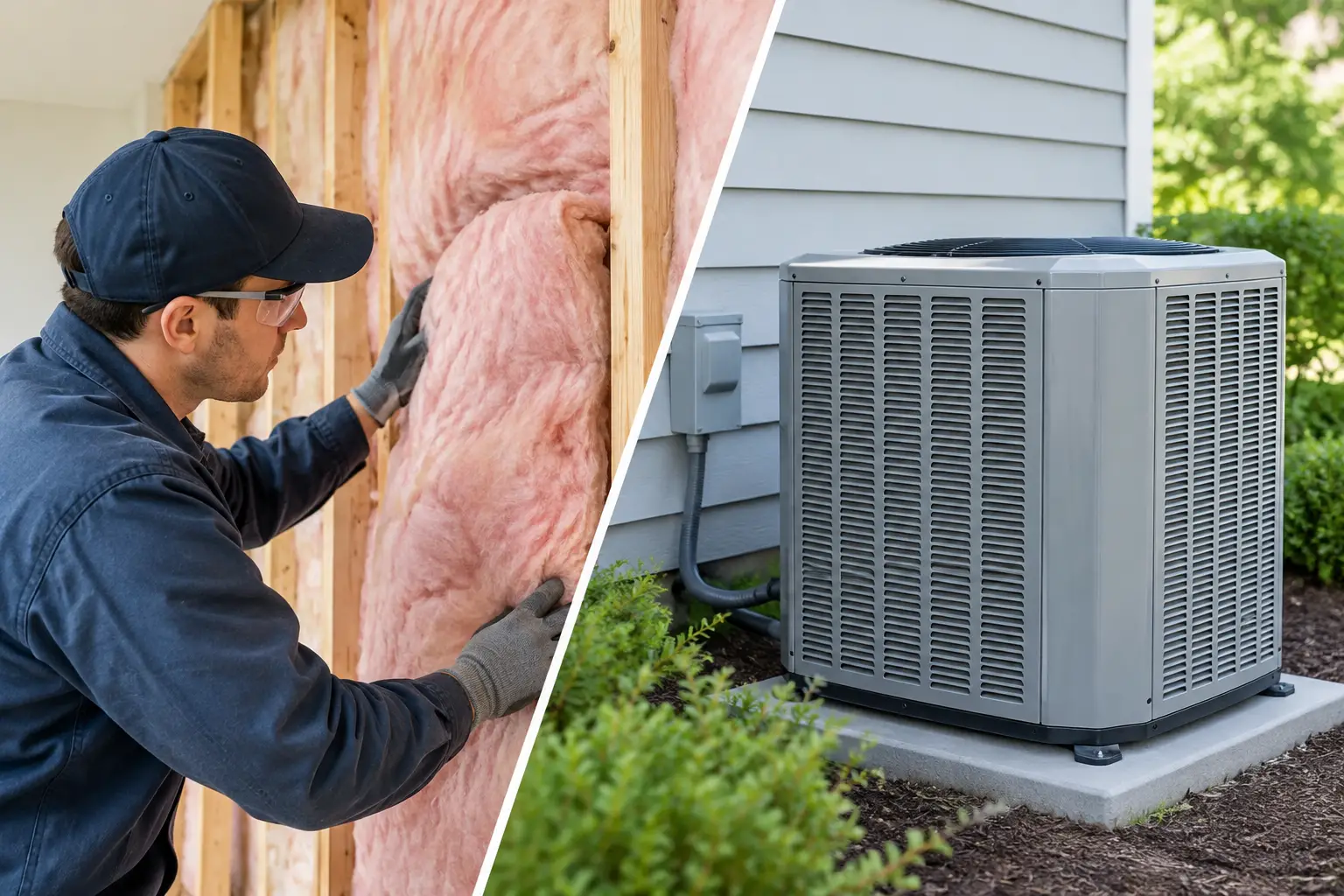
Equipment replacement addresses the machines that heat, cool, ventilate, or heat water. Weatherization improves the building envelope: the roof or attic, walls, windows, doors, ductwork, insulation, and air-sealing details that determine how quickly a building gains or loses heat.
Both approaches can create savings. The mistake is treating them as interchangeable.
If a home has major attic air leaks, insufficient insulation, leaky ducts, or poorly sealed penetrations, even a high-efficiency heat pump may run longer than expected. It may improve efficiency compared with an older unit, but it is still conditioning air that escapes through the building shell. In multifamily properties, the same issue can appear as persistent hot and cold complaints, elevated common-area bills, and units with dramatically different usage despite similar layouts.
Weatherization reduces the load placed on equipment. Once that load is lower, replacement equipment can often be selected and sized more accurately. Oversized HVAC systems are common in buildings where sizing is based on outdated rules of thumb rather than current conditions. An oversized system can cycle on and off too frequently, reduce dehumidification, create uneven temperatures, and wear out sooner.
Weatherization versus equipment replacement: what each solves
The best choice depends on what is driving energy waste. A qualified assessment separates symptoms from causes.
Weatherization solves building-performance problems
Weatherization is often the stronger first investment when the building has uncontrolled air movement or inadequate thermal protection. Common indicators include rooms that are difficult to keep comfortable, drafts near doors or outlets, hot upstairs spaces, cold floors, moisture concerns, and unusually high seasonal bills.
Typical measures may include air sealing, attic or wall insulation, duct sealing, duct insulation, window and door improvements, and ventilation measures where needed. These upgrades reduce heat transfer and air leakage, allowing the home or property to hold conditioned air longer.
The benefit is not limited to utility savings. Proper weatherization can reduce outside noise, improve indoor comfort, support humidity control, and lessen strain on heating and cooling equipment. In multifamily communities, it can also help standardize comfort across units and reduce recurring maintenance calls tied to temperature complaints.
Equipment replacement solves efficiency and reliability problems
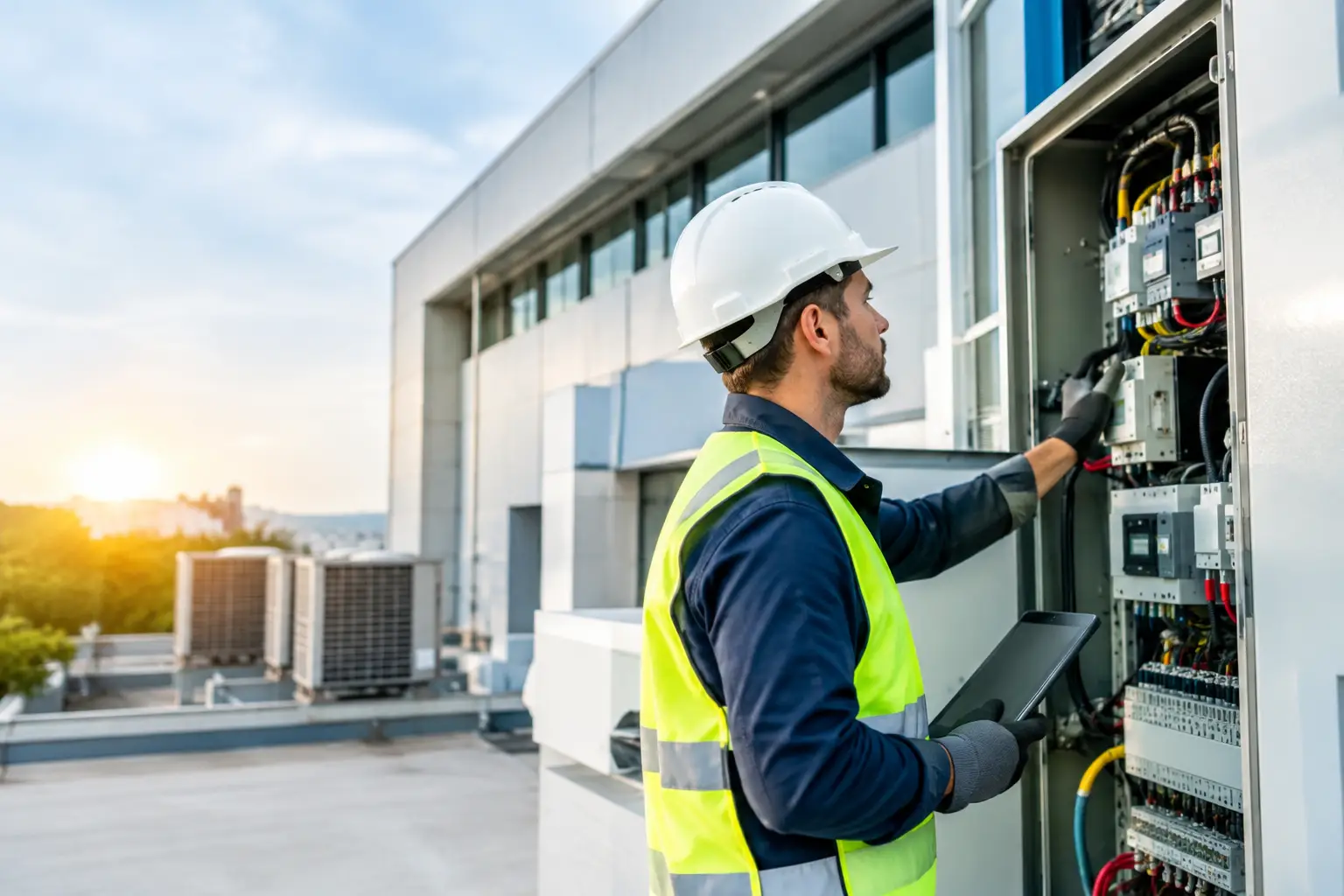
Equipment replacement becomes a clear priority when existing systems are near failure, unsafe, expensive to repair, or materially less efficient than available alternatives. A failing furnace, an air conditioner with recurring compressor issues, an aging electric resistance water heater, or an HVAC system using obsolete refrigerant may justify immediate action.
New equipment can deliver significant gains when it is properly selected, installed, commissioned, and matched to the building. High-efficiency heat pumps, efficient water heating, smart controls, and properly designed ventilation can reduce consumption while improving reliability.
However, replacement alone does not correct poor insulation, duct leakage, or air infiltration. A new system can mask a building-envelope problem for a time, but the utility bill and comfort issues may remain more persistent than expected.
Start with the highest-cost source of waste
There is no universal rule that weatherization must always come first. Emergency replacements cannot wait. A failed air conditioner during a severe heat event, a compromised furnace, or a water heater leak demands immediate attention.
Still, when timing allows, a whole-building assessment provides a better investment plan. The goal is to identify where energy is being lost, how systems are operating, and which measures will produce the greatest combined result.
For a single-family homeowner, this may mean discovering that attic sealing and insulation will reduce the cooling burden enough to support a smaller, less costly replacement system. For a property manager, it may reveal that duct leakage and inconsistent ventilation are driving both tenant dissatisfaction and avoidable common-area energy use. For a utility implementation partner, it can identify measure packages that achieve persistent savings rather than isolated upgrades with uncertain outcomes.
Useful assessment inputs include energy-use history, equipment age and condition, insulation levels, duct performance, indoor comfort complaints, moisture patterns, and building layout. Diagnostic testing can provide additional clarity by measuring air leakage and identifying pressure or thermal weaknesses that visual inspections miss.
How to prioritize in different properties
Single-family homes
Homeowners should prioritize safety and equipment failures first, then address the envelope conditions that keep utility bills high. If an HVAC system still operates reliably but the home is drafty, uneven, and poorly insulated, weatherization may deliver the more immediate improvement.
If equipment must be replaced, combine the project with the most impactful envelope measures whenever possible. Sealing major leaks and improving attic insulation before final HVAC sizing can prevent an oversized purchase. The result is often better comfort and lower operating costs over the life of the system.
Multifamily buildings
Multifamily decision-making requires a portfolio view. A replacement project may affect individual units, central systems, corridors, laundry facilities, or domestic hot water. Weatherization may involve unit-level air sealing, roof or attic improvements, duct repairs, ventilation balancing, and common-area upgrades.
The strongest plans account for tenant comfort, access requirements, capital budgets, maintenance capacity, and expected savings. Phased work is often practical. An operator might weatherize the highest-consumption buildings first, replace failing equipment as needed, and use performance data to guide the next phase.
This approach avoids spending capital on equipment that is larger than necessary while giving ownership a clearer view of operating-cost reduction across the property.
Utility and energy programs
Utility programs need more than installation counts. They need savings that can be measured, verified, and delivered at scale. That requires a consistent assessment process, trained field teams, quality control, and a program design that accounts for interactions between measures.
Weatherization and equipment upgrades work best as coordinated solutions. A heat pump incentive, for example, may produce better demand and consumption outcomes when paired with air sealing, duct improvements, and appropriate controls. Program administrators should prioritize delivery partners that can diagnose building conditions, implement work correctly, and stand behind results.
The financial case: first cost is not the whole cost
Equipment replacement often has a visible price tag, while weatherization can feel less tangible. Yet the lowest upfront cost is not always the best financial decision.
A building-envelope upgrade may reduce the size or runtime of future equipment, lower maintenance stress, and improve occupant satisfaction. Equipment upgrades may reduce energy use quickly when older systems are inefficient or failing. The best financial case considers installation cost, utility savings, maintenance exposure, expected equipment life, incentives, and the value of fewer comfort complaints.
For property owners, the calculation should also include operational impact. Reduced turnover risk, fewer resident service calls, better asset performance, and stronger sustainability reporting can all matter. For homeowners, the value may include a more comfortable house every day, not just a lower bill at the end of the month.
Avoid the common replacement-first mistake
Replacing equipment without evaluating the building can create three avoidable problems: systems may be oversized, savings may fall short of expectations, and comfort issues may continue. That does not mean every project requires a complete retrofit. It means each decision should be informed by the conditions that affect performance.
At Performance Energy, the focus is on targeted retrofit work that addresses the actual causes of energy waste and produces accountable results. A practical plan may begin with a few high-impact measures rather than a large, disruptive scope of work.
The next time a high utility bill or aging system prompts action, ask a better question than “What should we replace?” Ask where the energy is going, what is forcing equipment to work harder, and which improvements will keep delivering value long after installation is complete.