
A building can waste energy every hour of every day, even when no one is actively using it. That constant demand is baseload, and it often accounts for a large share of an electric bill that owners accept as unavoidable. The best ways to reduce baseload start by identifying equipment that runs continuously, then making targeted upgrades that lower consumption without sacrificing comfort, safety, or operations.
For homeowners, reducing baseload can make monthly bills more predictable. For multifamily owners and managers, it can lower operating expenses across dozens or hundreds of units. For utility and energy program partners, it creates dependable, measurable savings that continue long after an installation is complete.
What Baseload Energy Use Means
Baseload energy is the electricity a home or building uses around the clock. It is different from peak demand caused by air conditioning on a hot afternoon or heavy equipment operating during business hours. A property’s baseload may include refrigerators, water heating equipment, ventilation fans, common-area lighting, servers, security systems, pool pumps, controls, and electronics left in standby mode.
Some baseload is necessary. A refrigerated food display, life-safety system, or occupied multifamily building cannot simply be switched off overnight. The opportunity is to reduce avoidable, inefficient, or oversized loads and make essential equipment operate with less energy.
A useful starting point is to review utility interval data, if available, and compare overnight usage with daytime consumption. If electric demand stays unusually high when occupancy and activity are low, the building likely has a baseload reduction opportunity. A qualified assessment can identify the equipment behind that load and prioritize upgrades based on cost, savings potential, and operational impact.
Best Ways to Reduce Baseload in Homes
Upgrade older refrigeration and water-heating equipment
Refrigerators and freezers are among the most persistent electrical loads in a home because they operate all day. Older secondary refrigerators in garages or basements are frequently expensive to run, particularly in hot spaces where compressors work harder. Replacing an aging unit or eliminating one that is rarely needed can provide ongoing savings.
Water heating also deserves attention. Conventional electric resistance water heaters can create a significant year-round load. Heat pump water heaters use substantially less electricity by moving heat rather than generating it through resistance coils. They work especially well in many garages, utility rooms, and other spaces with adequate air volume, although placement, drainage, noise, and climate conditions should be evaluated before installation.
Control always-on electronics and ventilation
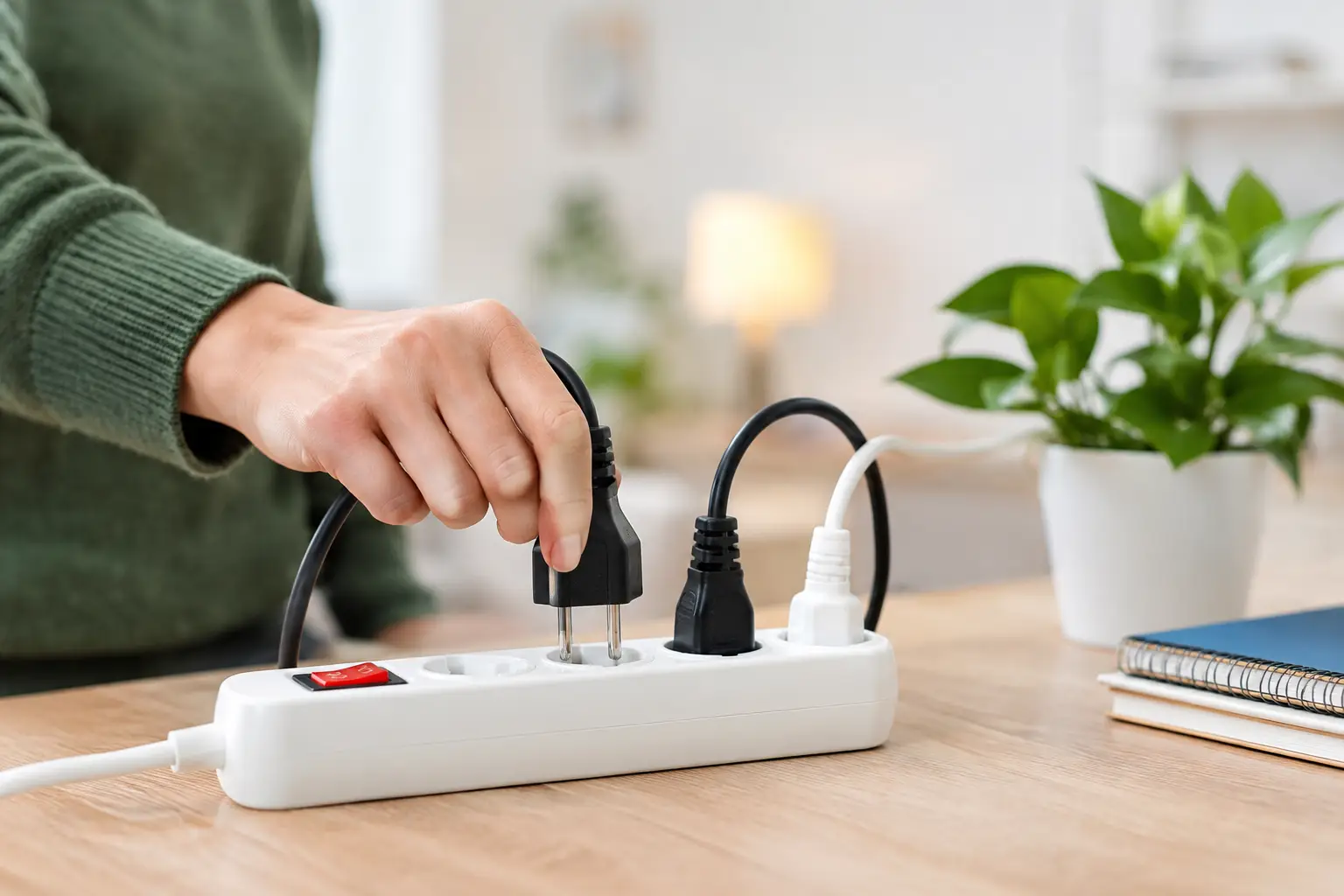
Cable boxes, gaming systems, smart speakers, printers, chargers, and entertainment equipment use small amounts of power individually. Together, their standby consumption can become meaningful over a year. Smart power strips and properly configured device settings reduce this waste without requiring residents to unplug equipment every day.
Continuous ventilation is different. It may be required for indoor air quality, moisture control, or code compliance, so shutting it off is not a responsible solution. Instead, verify that fan motors are properly sized, controls are operating as intended, and run times match the ventilation strategy. Efficient motors and controls can reduce energy use while protecting indoor air quality.
Improve the building envelope before oversizing equipment
Air leakage and poor insulation force heating and cooling systems to run longer, increasing more than seasonal energy use. In many homes, they also contribute to persistent fan operation, supplemental heating, and moisture-management loads. Air sealing and insulation improvements can reduce the workload on mechanical systems and improve comfort room by room.
The trade-off is that envelope work must be paired with appropriate ventilation and combustion-safety practices. A whole-home approach is more reliable than addressing one visible symptom, such as replacing an HVAC unit while leaving major air leaks untouched.
Baseload Reduction for Multifamily Properties
Multifamily buildings have both in-unit loads and common-area loads, which makes a property-wide strategy essential. A small inefficiency repeated across 100 apartments can become a major operating expense. The same is true of equipment rooms, corridors, garages, leasing offices, laundry facilities, and outdoor amenities.
Start with common areas and central systems
Common-area lighting that operates 24 hours a day is a practical first target. LED upgrades, occupancy sensors, daylight controls, and appropriate lighting schedules can lower consumption while maintaining security and resident experience. In garages and corridors, control settings should be carefully tested so energy savings do not create dark or unsafe conditions.
Central domestic hot water systems, recirculation pumps, boiler controls, elevator equipment, and ventilation systems can also contribute heavily to baseload. A pump running at full speed when demand is low wastes energy every hour it operates. Variable-speed controls, improved scheduling, equipment maintenance, and better control sequences can often reduce this burden.
Address in-unit equipment at scale
Property managers may have limited visibility into the actual condition of in-unit appliances and HVAC equipment. A systematic inventory helps reveal patterns: aging refrigerators, inefficient bathroom fans, failing PTAC units, or electric water heaters with high consumption. Replacing equipment only after failure may appear less expensive in the moment, but it can extend the life of inefficient loads and make capital planning harder.
Phased replacement programs can balance budget constraints with savings goals. The right approach depends on equipment age, resident turnover, utility rates, available incentives, and maintenance demands. Measurable results require consistent installation standards and verification, not just a list of products purchased.
Use Controls and Monitoring to Keep Savings From Drifting
Retrofit work reduces the energy required to operate a building. Controls and monitoring help ensure those savings remain in place. Schedules can be adjusted for actual occupancy, sensors can identify equipment operating outside expected hours, and submeters can show where consumption is rising.
Monitoring is particularly valuable in multifamily portfolios and utility programs because it turns assumptions into operational data. If a newly upgraded property maintains a lower overnight load, the savings are easier to validate. If usage climbs, operators can investigate issues such as manual overrides, failed sensors, equipment faults, or changed occupancy patterns.
Controls should be simple enough for on-site teams to understand and maintain. An overly complicated system can create frustration and eventually be bypassed. Effective energy management is not about adding technology for its own sake. It is about giving owners and operators useful information and dependable control over recurring costs.
Match Retrofit Measures to the Property and the Goal
There is no single baseload solution that fits every building. A single-family home with high overnight use may benefit most from water-heating, appliance, and air-sealing improvements. An apartment property may see greater returns from common-area lighting, central plant optimization, and standardized in-unit upgrades. A utility partner may prioritize measures that can be installed consistently across a service territory and verified through program reporting.
The strongest projects begin with an assessment of actual conditions rather than assumptions based on building age or a high utility bill alone. That assessment should account for equipment condition, occupant needs, local climate, operating schedules, utility rates, and the expected useful life of each measure.
Performance Energy approaches retrofit work with this outcome-focused mindset: identify waste, implement the right upgrades, and deliver savings that support lower costs and stronger building performance. For property owners and program stakeholders, the goal is not simply to use less energy for a month. It is to establish a lower, more efficient baseline that keeps producing value every day.