A tenant opens a utility bill that is $75 higher than last month, while a property manager sees common-area electric costs climbing across several buildings. Both may ask the same question: why are apartment utility bills high when daily routines have not changed much? The answer is rarely one appliance or one resident. High utility costs usually reflect a combination of weather, utility rates, aging equipment, building conditions, operational decisions, and the way costs are metered or allocated.
For apartment owners and managers, separating a high bill from high energy use is the first step toward controlling operating expenses. A larger bill can result from increased consumption, higher rates, billing errors, or all three. The most effective response is to identify the specific drivers before investing in upgrades.
Why Are Apartment Utility Bills High? Start With the Bill
Utility bills contain more than the cost of electricity, natural gas, or water used during the month. Many include fixed customer charges, delivery charges, taxes, fuel adjustments, demand charges, and seasonal rate changes. In some markets, the cost per kilowatt-hour rises when usage crosses a defined threshold or during high-demand periods.
This means a bill can increase even when consumption stays relatively flat. Property managers should compare the current bill with the same month last year, not only with the prior month. A July bill should be measured against last July, when cooling needs and utility pricing were more comparable.
For master-metered properties, the picture can be even more complicated. The owner may pay for apartment usage, hallway lighting, laundry rooms, leasing offices, exterior lighting, irrigation, pool equipment, elevators, and central mechanical systems through one or several meters. Without clear interval data or submeters, it is difficult to see where the increase began.
1. Inefficient Heating and Cooling Equipment
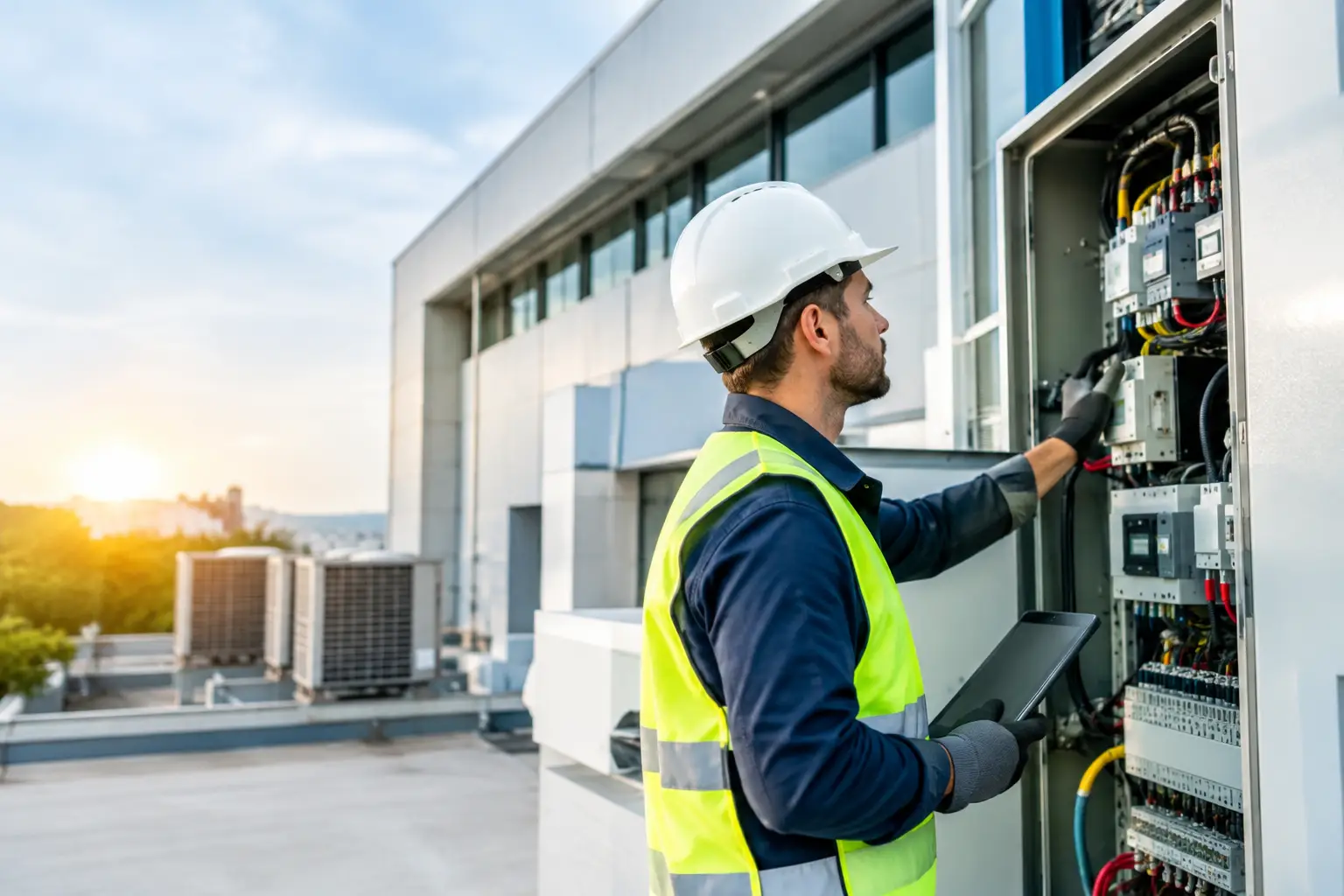
Heating and air conditioning are often the largest energy loads in an apartment building. Older packaged units, heat pumps, boilers, furnaces, and central chillers can consume far more energy than their rated performance suggests, particularly when maintenance has been deferred.
Dirty filters, worn belts, refrigerant issues, failing compressors, leaking ducts, and controls that no longer hold proper schedules all force equipment to run longer. A unit may still cool or heat an apartment, but it can do so at a much higher operating cost.
Equipment age matters, but condition and operation matter just as much. Replacing an older system may be justified in some properties, while targeted repairs, recommissioning, or controls upgrades may produce a better return in others. The right decision depends on runtime, utility rates, climate, repair history, and remaining useful life.
2. Air Leaks and Poor Insulation
Conditioned air escaping through gaps around windows, doors, wall penetrations, attic hatches, and ductwork creates a constant load on HVAC equipment. In summer, hot and humid outdoor air enters the building. In winter, heated air escapes. Residents respond by changing thermostat settings, but the system is still working against the building envelope.
Poor insulation compounds the issue. Top-floor apartments can overheat under underinsulated roofs, while units above parking garages or adjacent to unconditioned spaces may be difficult to keep comfortable. These comfort complaints are often early signs of wasted energy.
Air sealing and insulation are not cosmetic improvements. When correctly scoped, they reduce heating and cooling demand, improve temperature consistency, and help HVAC equipment operate more effectively. They also need to be coordinated with ventilation requirements so that efficiency improvements do not create indoor air quality problems.
3. Water Heating That Runs All Day
Domestic hot water can be a major expense in multifamily housing, especially in buildings with central water heating, long recirculation loops, or older storage tanks. A poorly insulated hot-water line loses heat continuously. A recirculation pump that runs around the clock, even during low-use periods, can add unnecessary electricity use and heat loss.
Leaks are another costly factor. A continuously running toilet, dripping fixture, or underground water leak may appear minor at first, but it can affect both water and sewer charges. In properties where the owner pays water, these losses directly impact operating income.
Hot water improvements should begin with measurements: water use, supply temperatures, recirculation operation, equipment efficiency, and known maintenance issues. This helps distinguish a true capacity problem from an operational problem that can be corrected at lower cost.
4. Common Areas and Amenities Add Up
Residents may focus on the electricity inside their apartments, but owners are often paying for substantial common-area usage. Parking-lot lighting, corridor lighting, elevators, gates, fitness centers, pools, laundry equipment, leasing offices, and security systems can operate for long hours.
Lighting is a common example. Older fixtures may consume significantly more electricity than LED alternatives, and poorly configured controls can keep lights on when spaces are unoccupied or daylight is sufficient. Exterior lighting must support safety and visibility, but that does not require every fixture to run at full output all night.
Amenity loads deserve attention because they are predictable and controllable. Scheduling, occupancy sensors, photocells, equipment timers, and efficient replacements can reduce consumption without reducing resident service.
5. Resident Usage and Unit-Level Equipment
Apartment utility bills are also affected by how residents use heating, cooling, appliances, and hot water. Thermostats set extremely low in summer or high in winter, windows left open while HVAC runs, and heavy use of portable heaters can all increase energy consumption.
Still, property owners should avoid assuming resident behavior is the whole problem. If numerous tenants report high bills, uneven temperatures, or equipment that runs constantly, the building and its systems should be evaluated. Resident education can help, but it cannot compensate for leaking ducts, failing HVAC units, or an inefficient building envelope.
For individually metered properties, tenant-facing communication works best when it is practical. Explain how thermostat settings affect costs, encourage filter changes where residents are responsible, and provide a clear path for reporting comfort or maintenance concerns early.
6. Billing, Metering, and Allocation Problems
Sometimes the utility bill is high because the bill is wrong or because the property does not have enough visibility into usage. A faulty meter is uncommon but possible. More often, the issue is an incorrect tariff, a billing-period change, estimated reads, an account classification issue, or an allocation method that residents view as unfair.
Ratio utility billing systems can be useful where direct submetering is not feasible, but they must be administered carefully. If a resident’s charges are based on square footage or occupancy rather than actual unit consumption, their bill may not reflect their individual habits. Clear disclosures and consistent calculations are essential.
For owners, submeters and better data collection can reveal high-use units, abnormal water patterns, and common-area loads that are otherwise hidden inside a master bill. Visibility does not lower usage by itself, but it gives decision-makers a defensible starting point.
7. Deferred Maintenance Creates Compounding Costs
Energy waste often begins as a maintenance issue. A damaged door sweep, clogged condensate line, failed exhaust fan, malfunctioning thermostat, or leaking valve may not seem urgent on its own. Across dozens or hundreds of units, these small failures become a significant utility expense.
A preventive maintenance program protects more than equipment reliability. It supports energy performance by keeping systems operating closer to their intended efficiency. Documenting recurring failures also helps managers decide when repeated repairs are no longer the economical choice.
8. Rate Increases and Peak Demand
Utility costs are influenced by the local market, not just the building. Electricity and gas rates can increase due to fuel costs, infrastructure investments, regulatory changes, and seasonal demand. Some commercial or multifamily accounts also pay demand charges based on the highest rate of electricity use during a billing period.
A short period when multiple large loads operate at once can affect the entire month’s bill. Central HVAC equipment, pumps, laundry operations, and amenity loads may overlap during hot afternoons, creating a costly peak. Operational scheduling and controls can sometimes reduce this exposure without sacrificing comfort.
A Better Response for Multifamily Properties
The most productive next step is not guessing which upgrade will help. It is establishing a baseline. Review at least 12 months of electric, gas, and water data; separate common-area and unit loads where possible; compare similar buildings; and investigate sharp changes in usage before treating them as normal.
From there, prioritize improvements based on savings potential, cost, resident impact, and asset condition. Low-cost repairs and operational corrections may come first, followed by targeted envelope work, HVAC upgrades, water-heating measures, and lighting or controls projects. A qualified energy assessment turns scattered bills and maintenance complaints into a practical plan with measurable outcomes.
Performance Energy helps property owners identify the specific conditions driving unnecessary consumption and implement retrofit improvements designed to lower utility costs and improve building performance. The strongest projects pair technical expertise with accountability for results.
A high apartment utility bill is a signal, not a mystery. When you track the right data and address the underlying building issues, every dollar spent on energy can be put to work more efficiently.